Behind the Stadium Hot Dog Camera: Why Fans Keep Turning Snacks Into Content
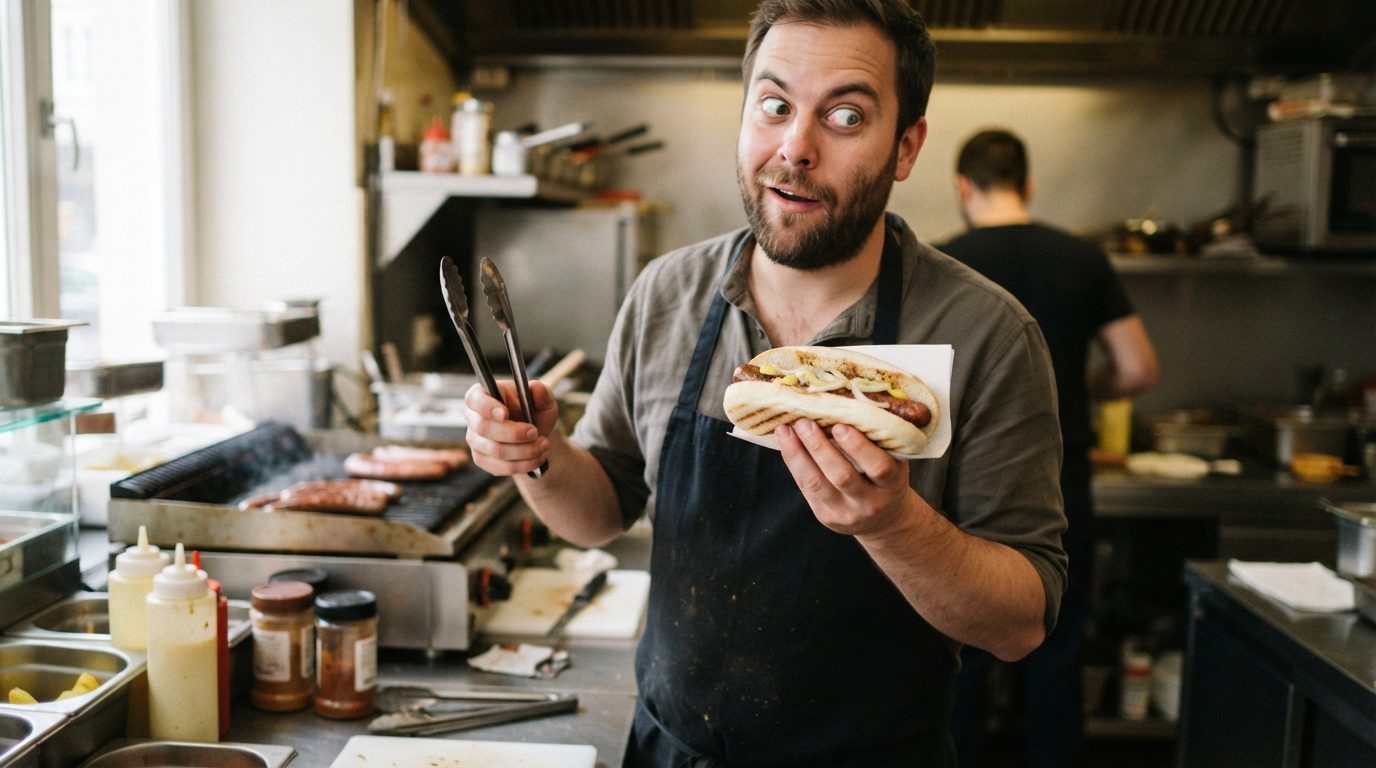
A stadium hot dog becomes content because it is handheld, instantly recognizable, easy to frame, and loaded with personal opinion. The camera can capture spectacle without proving quality, so Jason’s no ketchup test asks a sharper question: is this dog dramatic because it is good, or because it is wearing a costume?
- A bun, sausage, toppings, wrapper, and crowd backdrop can read clearly in a fast photo or video.
- A game gives food a ready made occasion. The dog is part of the outing, not merely lunch at a table.
- A towering topping pile may make a louder image than a balanced dog, but loud is not the same as delicious.
- Look beneath the spectacle. If sauce, toppings, or novelty hardware own the frame, the camera may be reviewing theater instead of food.
Why does the stadium hot dog photograph so well?
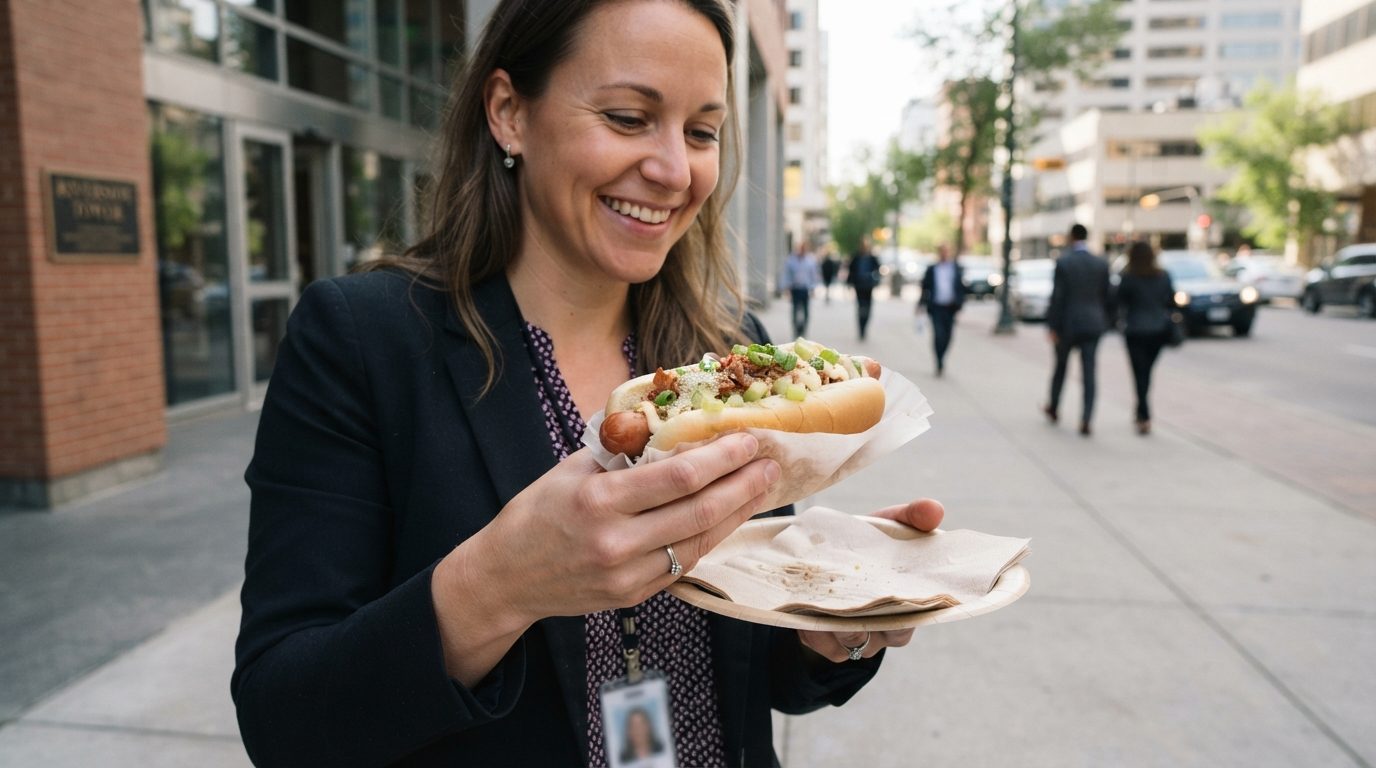
The stadium hot dog photographs well because its shape, color, and setting are legible before anyone takes a bite. It has a useful little silhouette: long bun, central sausage, toppings in bright contrast, and usually a paper tray or wrapper that announces, without subtlety, that this meal escaped from a concession stand.
Then the setting does some unpaid labor. A seat, a concrete aisle, a sliver of green field, team colors, or a crowd behind the bun gives the photo a place and an occasion. A plate of fries can be lovely, but it does not arrive with the same built in visual diagram.
Handheld food also suits quick fan content. One hand can hold the dog while the other holds a phone, assuming the mustard has not already staged a coup. That convenience does not mean every person at a game wants to document lunch. It simply explains why the format is so camera friendly when someone does.
The ballpark turns lunch into a souvenir
At a sporting event, food becomes part of the memory because it is tied to a place, a game, and a particular day. The wrapper, the tray, the view beyond the seats, and even the crowd blur around the food can make a basic hot dog feel like evidence that the day happened.
That is an editorial reading of the scene, not a claim that every fan experiences stadium food in the same way. One person may photograph a dog as dinner. Another may treat it as memorabilia, a dare, a ritual, or proof of attendance. The same sausage can carry wildly different baggage.
This is why stadium food pictures often feel more specific than a clean tabletop shot. They document a small collision of place, appetite, fandom, noise, and questionable napkin logistics.
When toppings become the entire plot
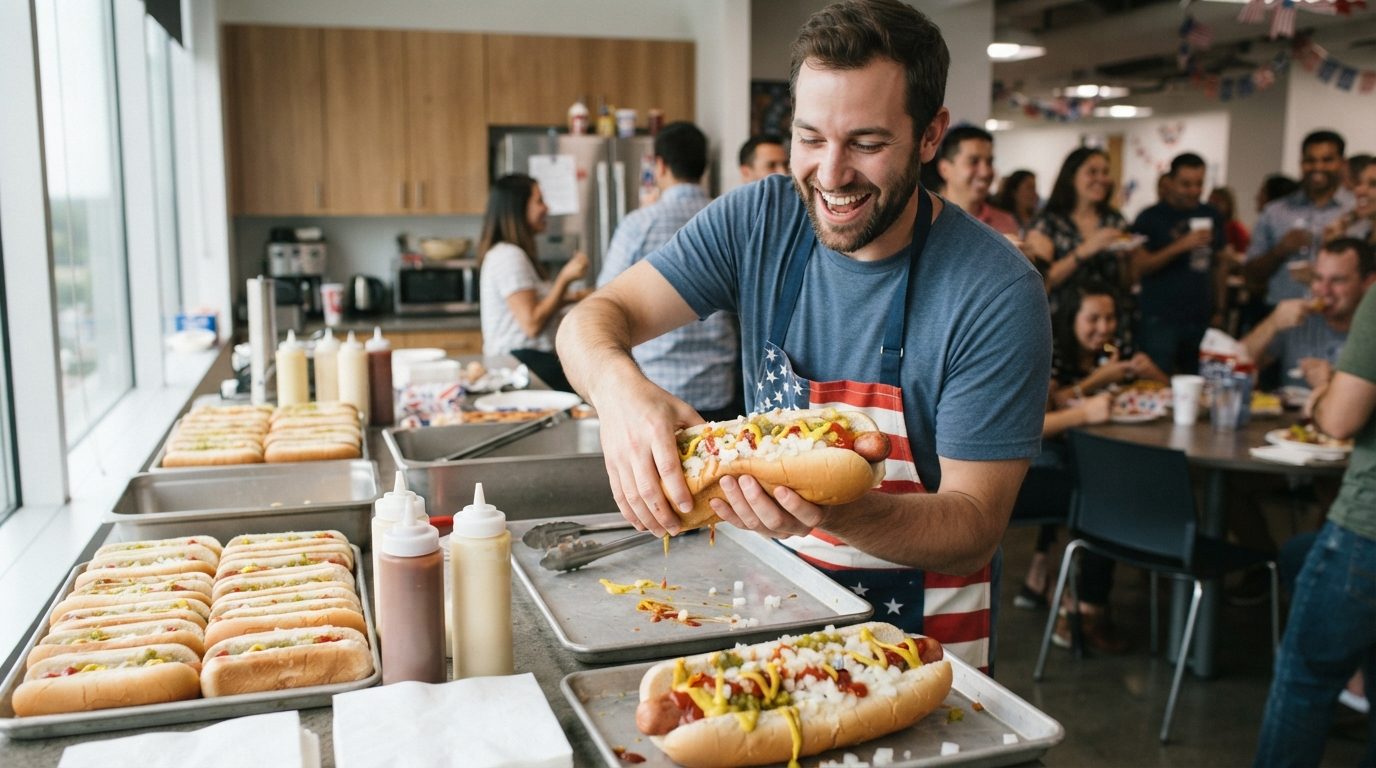
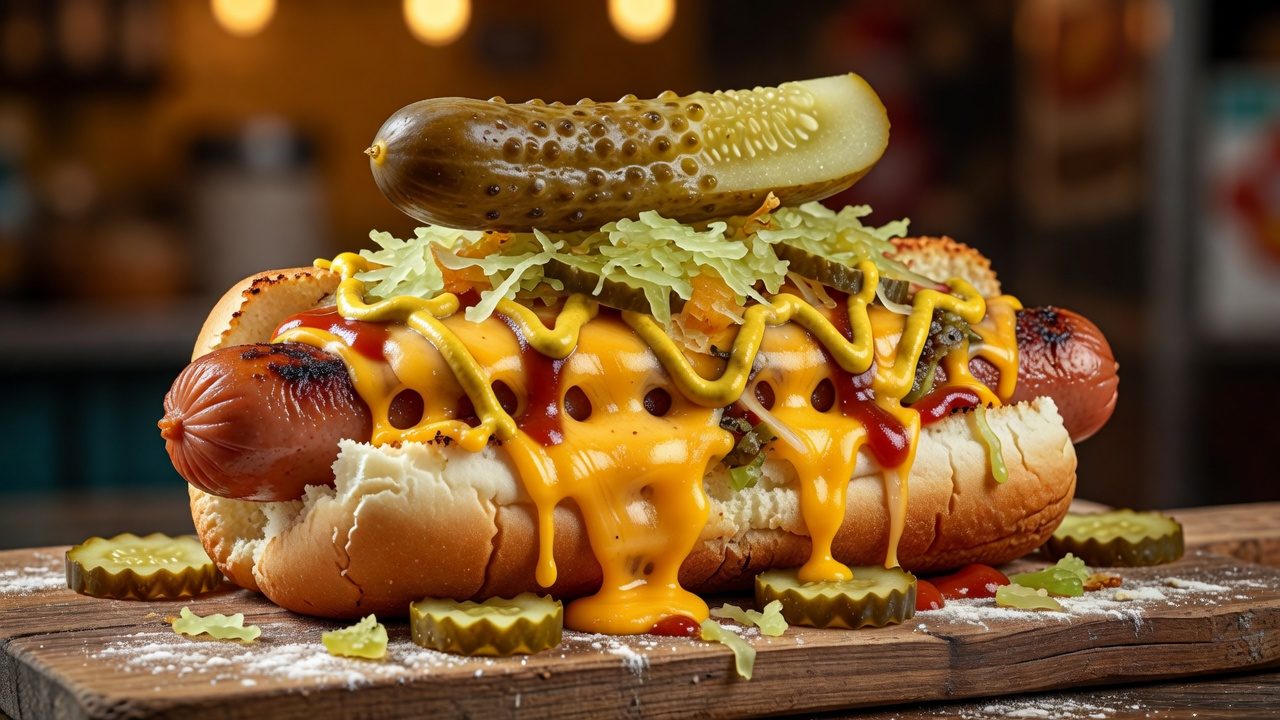
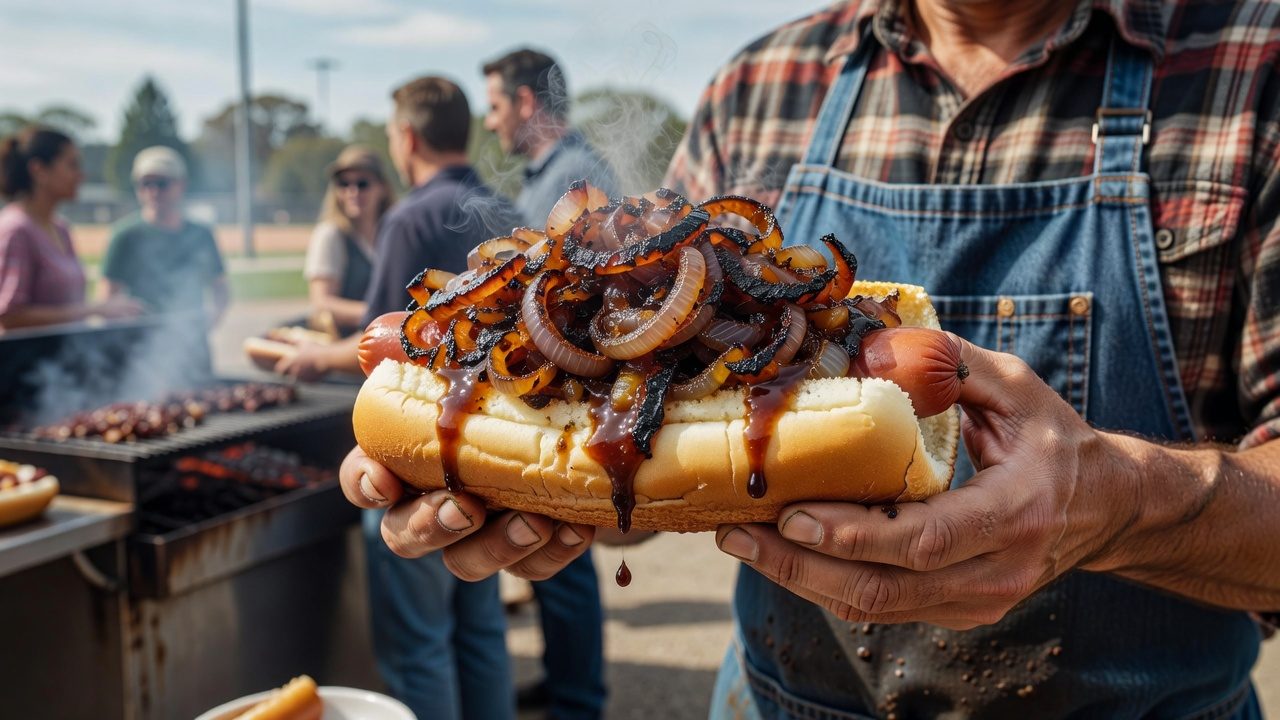
Toppings create instant visual drama, but they can also hide whether the hot dog itself is worth eating. A restrained build can show off a sausage and bun with confidence. A towering build can look gloriously unhinged. Neither approach wins automatically.
Use a simple visual checklist before declaring the mountain a masterpiece:
- Can you still see the sausage?
- Does the bun still work as a holder?
- Can one bite reach the sausage, bun, and toppings together?
- Do the toppings look attached to the dog rather than evacuated from a separate meal?
Jason’s no ketchup stance is an editorial position, not a law of nature. The useful question is whether each topping improves the bite or merely makes the thumbnail bigger. A hot dog should not need a search party to locate its own sausage.
Jason’s no ketchup camera test
The no ketchup camera test separates a recognizable hot dog from a noisy food prop. It is not a laboratory method, and it is certainly not a universal banishment decree. It is Jason’s blunt visual filter for a food that is often dressed like it has somewhere to be.
Test the dog without its loudest sauce
Mentally remove the most visually dominant sauce. Does the sausage, bun, and remaining topping arrangement still look intentional? If the whole image collapses into beige confusion, the sauce may have been doing more styling than flavor work.
Look for structure, not merely altitude
An intact sausage, a properly split bun, and toppings that stay aboard during a bite are better clues than sheer pile height. The goal is not tidiness. A little mess is part of the contract. The goal is a dog that remains a dog when it meets gravity.
Ask whether it creates appetite or only spectacle
A picture can make a person curious to eat. It can also make a person curious whether a mop is nearby. Passing this camera test does not prove flavor. Failing it can reveal that the image depends mostly on visual excess.
Why fans turn the bite into a performance
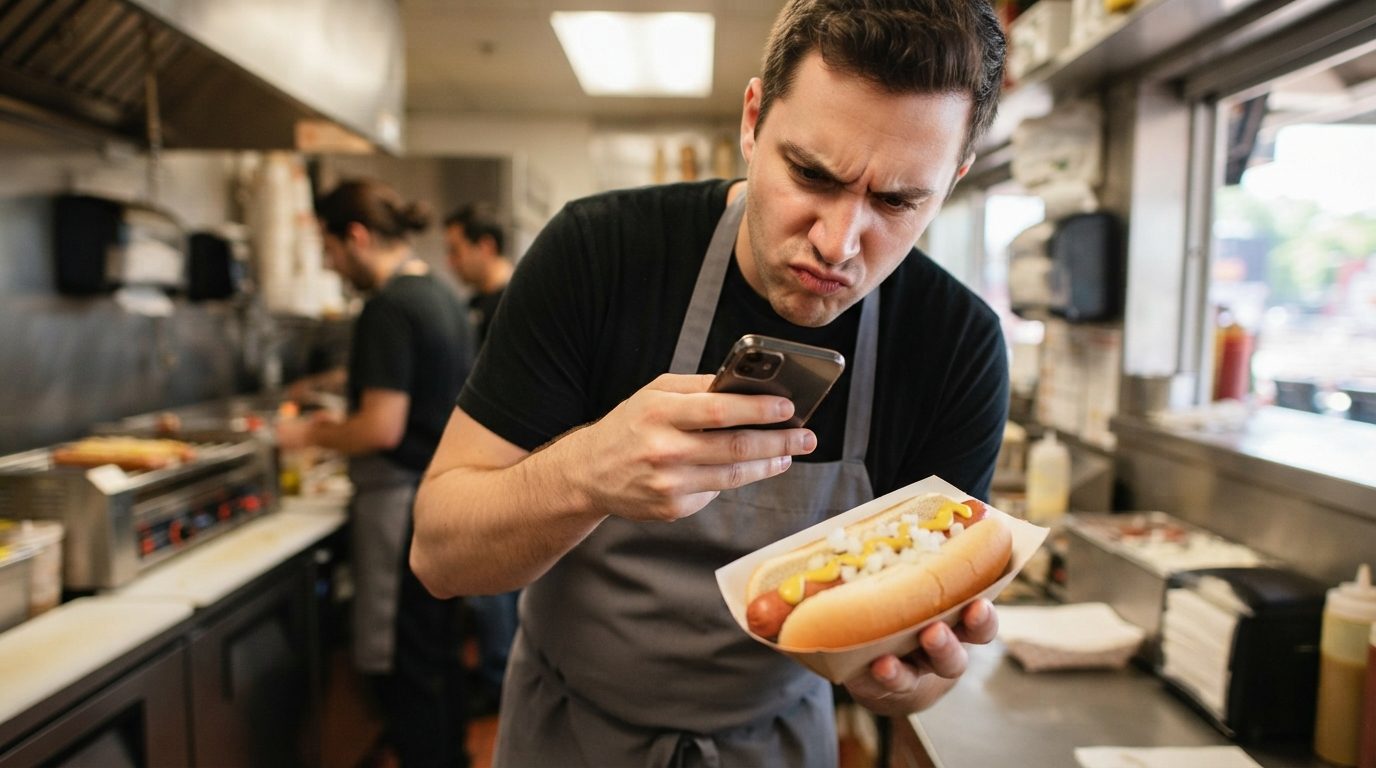
A camera changes the hot dog moment by turning a private bite into a small public performance. The common visual beats are easy to recognize: the reveal from the wrapper, the topping closeup, the first bite, the reaction shot, and the empty wrapper after the damage is done.
These formats reward movement and contrast. Sauce pours, onions tumble, cheese stretches, and oversized toppings make themselves known from across a screen. Quiet craftsmanship, such as a well toasted bun or a properly seasoned sausage, has a tougher job because it does not fling itself toward the lens.
That does not make the performance fake. It means the camera has preferences. It loves a mess. Your mouth may have different priorities.
What the camera misses about a hot dog
A photo cannot reliably show temperature, texture, seasoning, bun freshness, or how the dog eats from the first bite to the last. It can show appearance and context. It cannot show whether the sausage has snap, whether the bun is stale, or whether the toppings turn the final bites into a structural emergency.
Camera evidence
A photo can reveal portion, presentation, topping placement, wrapper style, and the setting around the meal. It is useful evidence, just incomplete evidence.
Eating evidence
Eating supplies the important verdicts. Does the bun collapse? Does the sausage have satisfying texture? Do the toppings support the bite, or require a cleanup crew? Does the last bite resemble the first in any meaningful way?
A dramatic dog deserves attention, not automatic applause.
The stadium hot dog as food culture, not just food
Stadium hot dogs work as food culture because they connect eating with fandom, place, ritual, and personal identity. Even an ordinary meal can become a souvenir image when it is held against a field, a scoreboard glow, or the familiar chaos of a crowd.
Jason brings a particular filter to that image. He describes his personal hot dog research as ten years, fifty states, and zero ketchup. That is a personal research claim and an editorial point of view, not an instruction for every eater with a mustard packet and an open mind.
For hot dog enthusiasts and food culture readers, the point is to look past the thumbnail. The spectacle is part of the fun. It just should not be allowed to impersonate a verdict.
A better way to judge the hot dog after the photo
Judge the hot dog after the photo by eating it in sequence, not by admiring the reveal. Take the picture if the setting is good. Then put the phone down before the bun begins negotiating its exit.
- Inspect the sausage and bun before the toppings obscure them.
- Take a plain first bite when possible to judge the sausage and bread together.
- Assess whether the toppings add contrast, moisture, heat, crunch, or useful richness.
- Notice whether the dog remains coherent through the final bites.
Jason’s no ketchup preference remains visible here as his own editorial filter. Other eaters can choose their sauces freely. The larger point survives every condiment argument: the camera can prove a hot dog showed up. The bite has to prove it deserved the closeup.
For Jason’s hot dog finds, place profiles, recipes, and food culture coverage, follow @jasonsgrub on Instagram.
FAQ: Stadium hot dogs and the camera moment
The most useful questions are about what the image can show, what it cannot show, and how to judge the dog after filming. Here are the answers before the mustard reaches your sleeve.
Why are hot dogs so easy to recognize in photos?
Their elongated shape, bun, central filling, and familiar toppings create a clear visual outline. That is a general visual observation, not a measured finding. Even in a busy stadium frame, the hot dog usually announces itself.
Does a more loaded hot dog make better content?
It can create more immediate spectacle because height, color, and mess read quickly on camera. A larger topping pile does not prove better flavor, better construction, or a better eating experience.
What is Jason’s no ketchup test?
It is Jason’s editorial opinion: ask whether the sausage, bun, and other toppings still look appealing when ketchup is not doing all the visual work. The test is about identifying the dog beneath the styling.
Can a photo tell me whether a stadium hot dog is good?
No. A photo can show appearance and context, but it cannot reliably reveal temperature, texture, seasoning, freshness, or how the dog holds together while being eaten.
What should I photograph at a ballpark?
Capture the food, the setting, and the first bite if you want the memory. Just do not ask the image to settle the quality debate by itself. That argument belongs to the bite.
Sources worth checking before publication
The finished article should use outside sources only for claims that need evidence, while clearly labeling Jason’s judgments as opinion. The sources below are useful references for social media context and safe hot dog handling, not proof that every stadium fan behaves the same way.
Enjoyed this? There's more from Jason's Grub.
Follow on Instagram →