Madrid Chorizo Dog Gets Roasted Peppers and an Aioli Alibi
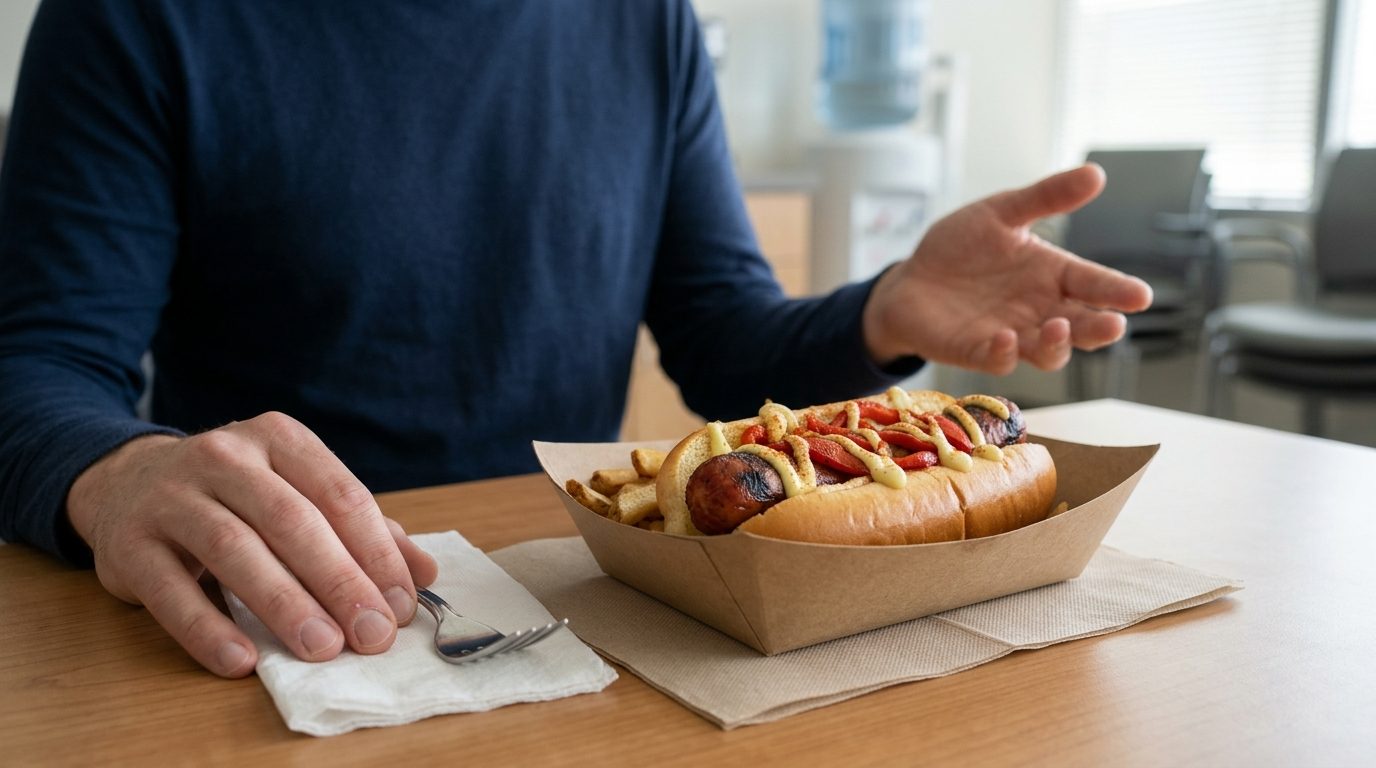
This Madrid inspired chorizo dog works when roasted peppers bring sweetness, aioli stays in its lane, and a small hit of acid keeps the whole bite awake. It is for hot dog people who want a specific, opinionated build instead of a bun full of anonymous beige mush.
- Use chorizo as the smoky, savory center and roasted peppers as the sweet counterweight.
- Spread aioli thinly so it supports the sausage rather than swallowing it.
- Add sherry vinegar or lemon sparingly because richness without acid can become a nap disguised as lunch.
- Toast a sturdy bun and arrange peppers across the sausage so every bite gets the full argument.
Why this dog needs a little courtroom drama
Aioli is either structural support or an edible alibi for an overbuilt hot dog, and this dog makes the distinction painfully clear. The ruling is simple: roasted peppers belong, aioli earns its place only in a thin layer, and acid gets the deciding vote.
Jason's standing position is zero ketchup. That is a house opinion, not an international treaty, but this particular dog has enough smoke, garlic, sweetness and tang without inviting ketchup to turn the room into a sticky town hall.
The goal is separation before harmony. You should taste toasted bun, juicy chorizo, soft sweet pepper, cool garlic and a bright finish before they join forces in the last half second.
Let chorizo do the loud talking
Chorizo provides the main smoky, savory and spicy character, so the toppings should sharpen its edges instead of competing for the microphone.
Choose a bun with some backbone
Use a sturdy hot dog bun that can hold a juicy sausage, soft peppers and a thin sauce layer without collapsing into damp surrender. Toasting adds useful contrast and gives the bun a fighting chance.
Build around contrast, not clutter
A good bite starts with a little toasted bun, moves into the sausage, catches the pepper's sweetness, then lands on garlic and acid. Nothing here needs to be loud except the chorizo. That sausage already brought a leather jacket and an amplifier.
Use a chorizo style sausage that you enjoy and cook it according to its package directions. For safe handling and cooking guidance for meat products, consult the USDA Food Safety and Inspection Service.
Roast peppers until they have something to say
Peppers should be softened with browned edges, because that gives this dog sweetness, smoke and enough texture to avoid a one note soft food seminar.
Pick the pepper finish you actually want
- Blistered peppers: Keep some firmer edges and bring a smokier, more direct character.
- Oven roasted peppers: Become softer and sweeter, which makes the finished dog feel more unified and rich.
- Pan finished peppers: Can concentrate their flavor and add browned spots while keeping the process close to the stovetop.
Season simply with salt and, if desired, a touch of oil. The pepper's own sweetness needs room to be noticed beside a forceful sausage. Cook until the flesh is tender and the edges show browning. If the peppers are still squeaky and raw, they have not yet joined the band.
Slice for reach, not for drama
Long, thin strips travel across the bun and preserve some texture. Smaller pieces distribute more evenly but can disappear into the sauce. For this build, use strips that can be laid from end to end over the sausage.
Aioli gets a job description
Aioli belongs here as a thin, savory layer that carries garlic, richness and moisture across the bun, not as a decorative white stripe with delusions of grandeur.
Make or choose an aioli that tastes of garlic, oil, salt and a little acid. It should be thick enough to stay put but loose enough to spread without tearing the bun. A prepared mayonnaise based aioli is a sensible shortcut when you want the garlic effect without turning lunch into a laboratory exercise.
Spread it on the inside of the toasted bun, not in a heavy blanket over the sausage. Too much aioli mutes the roasted peppers and pushes chorizo into the background, which is a bizarre thing to do after buying chorizo.
Does this dog need acid, or is that showing off?
Yes, this dog needs some acid, but only enough to make the rich ingredients taste distinct rather than enough to make the peppers wince.
Put the tang in the right place
There are three sensible places to test it. Stir a little sherry vinegar or lemon into the aioli for a quiet, integrated lift. Brush a little onto the warm peppers for a more obvious sweet and sharp contrast. Or add a tiny finishing accent after assembly when you want the acid to arrive last.
The preferred verdict is acid on the peppers or as a restrained finishing accent. It keeps the chorizo clear and gives the peppers a bright edge without turning the aioli into a salad dressing. Add gradually and taste the complete bite. Too much acid can overpower the sausage and make the peppers seem harsh.
Assembly is not decorative fussiness
Assembly order matters because it determines whether the bun stays sturdy, the sauce stays controlled and the peppers appear in every bite.
- Toast the bun until its cut sides have a little color and structure.
- Spread a thin layer of aioli inside the bun.
- Add the cooked chorizo sausage.
- Lay roasted pepper strips across the length of the sausage instead of dropping them in one loose pile.
- Add the chosen acidic finish with restraint.
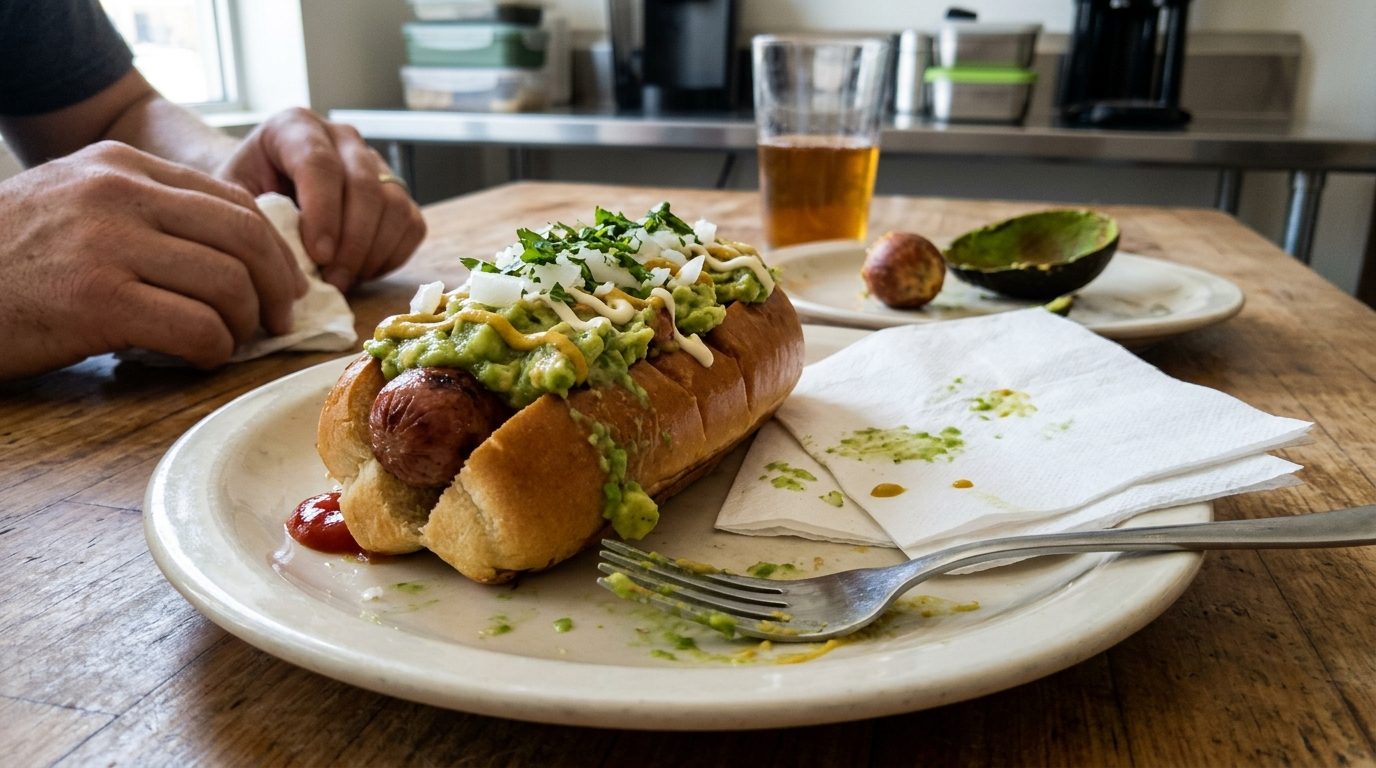
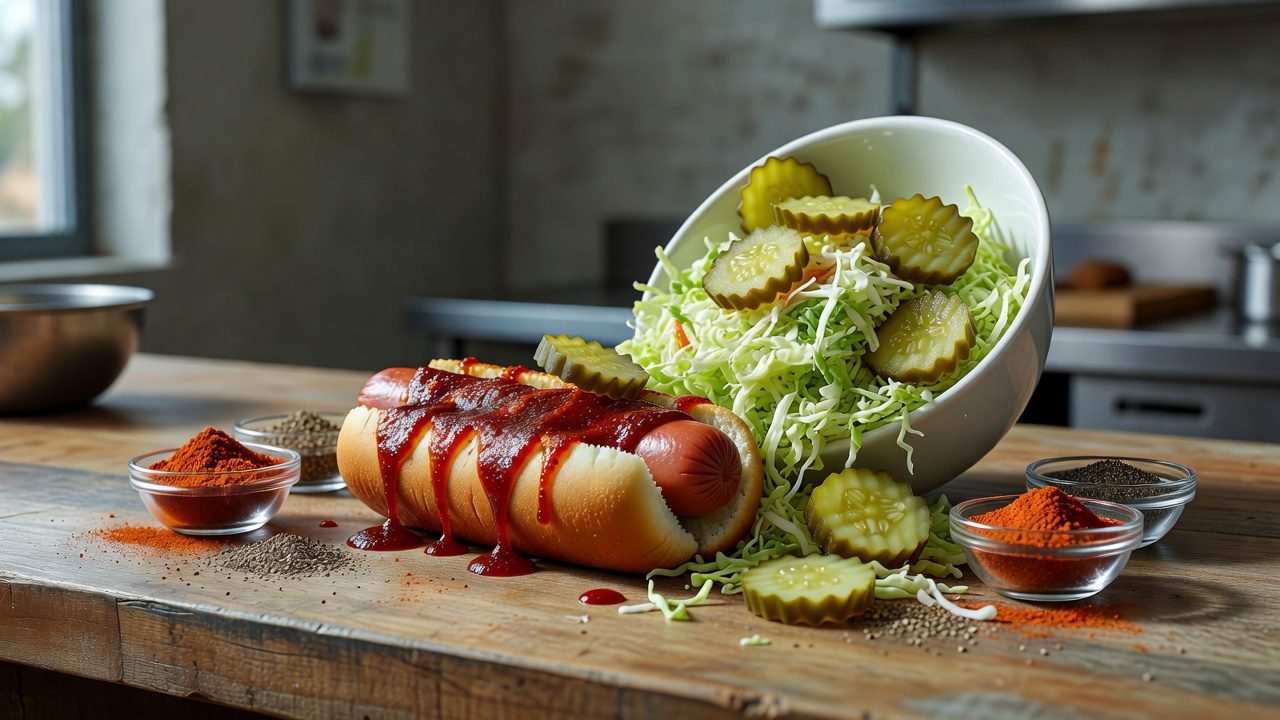
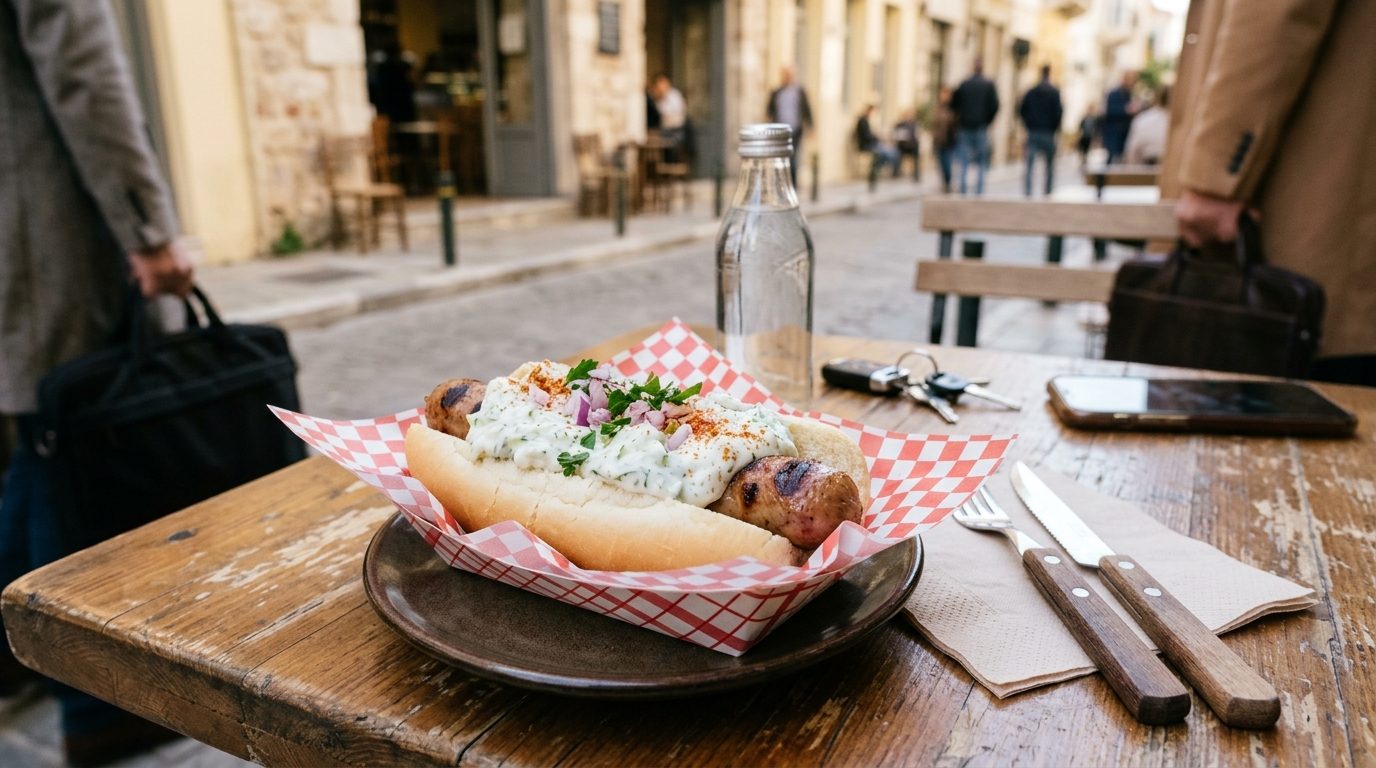
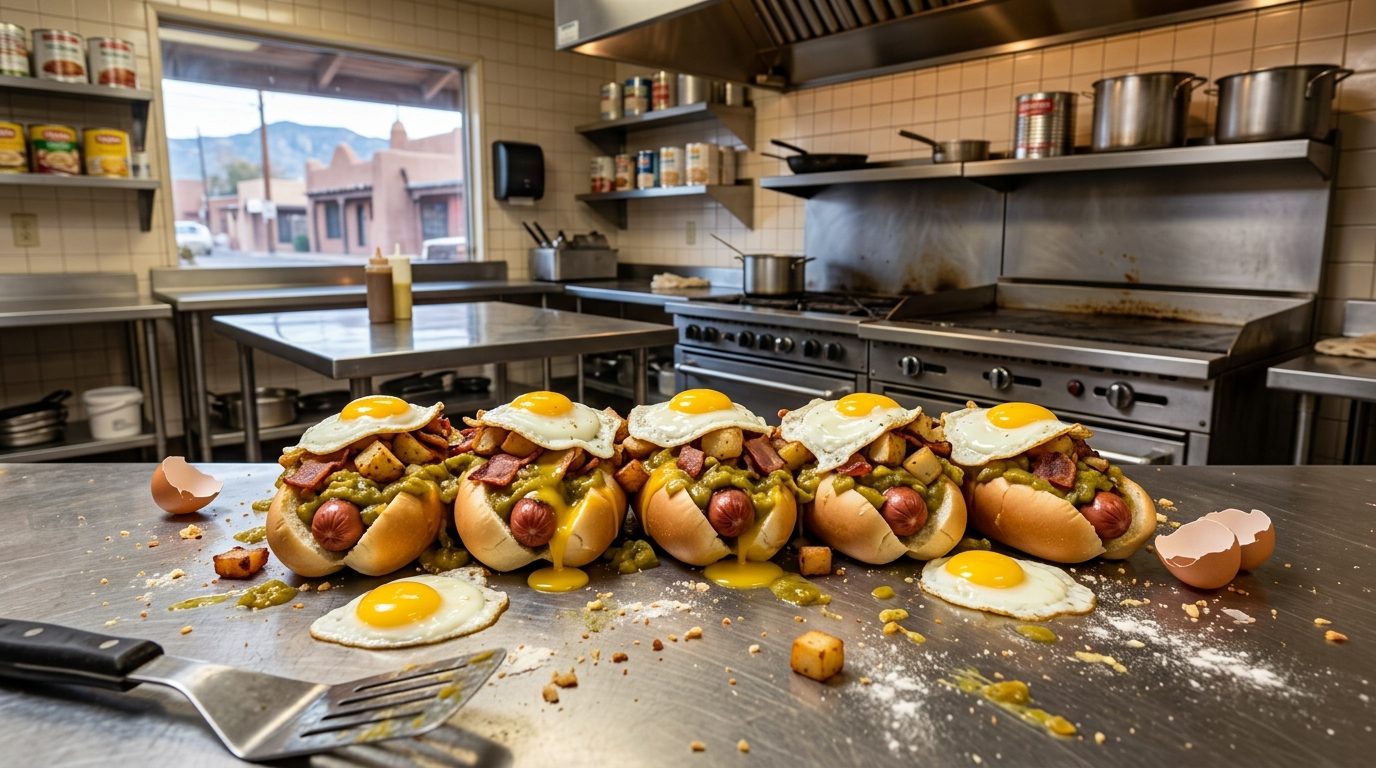
If this article is paired with a photograph, show a toasted bun holding a chorizo hot dog with roasted peppers and a thin layer of aioli. The sausage, peppers and controlled sauce should all be visible. A mystery mound is not a food portrait.
Make it, then show your work.
Made the Madrid Chorizo Dog? Follow @jasonsgrub on Instagram for more specific hot dog builds, places and product finds.
The final verdict: peppers stay, aioli behaves, acid wins
The winning build keeps the roasted peppers, allows aioli to remain under strict supervision, and lets acid cast the deciding vote.
If the dog tastes too rich, reduce the aioli first and then add a little more acid. If it tastes too sweet, increase the pepper browning and use the acidic finish more confidently. If it tastes too spicy, use a milder chorizo style sausage or let the peppers take up more space. If it feels too soft, toast the bun more assertively and keep some texture in the peppers.
Jason's preference remains no ketchup. After a stated decade spent eating hot dogs across all fifty states, zero ketchup is not an accident. It is the house stance. You may file your appeal elsewhere.
FAQ
These answers cover the sensible adjustments readers usually want after the first glorious, slightly messy bite.
Can I use a milder sausage instead of chorizo?
Yes. A milder sausage will make the roasted peppers and aioli more prominent, so taste the finished dog before adding more garlic or acid. You may prefer a little more pepper browning to keep the build from becoming too gentle.
Should the peppers be sliced or chopped?
Slice them into long strips for the most reliable bun coverage and a clearer pepper texture. Chop them if you want flavor dispersed through every bite, but keep the pieces substantial enough that they do not vanish into the aioli.
Can I make the aioli ahead?
You can prepare an aioli made with commercially prepared mayonnaise ahead and keep it refrigerated in a covered container. Follow the storage guidance on the mayonnaise label and general food safety guidance from FoodSafety.gov. If you are using a homemade egg based sauce, use a tested recipe and follow its handling instructions carefully.
What if the dog tastes too rich?
Use less aioli first. Then add the acidic element gradually, tasting after each small adjustment, until the sausage and peppers taste clearer rather than merely sharper.
Is ketchup allowed?
Jason says no. That is this site's hot dog stance, delivered with affection and unnecessary confidence, not a universal culinary law.
Sources
These sources support the food safety guidance in this recipe.
Enjoyed this? There's more from Jason's Grub.
Follow on Instagram →