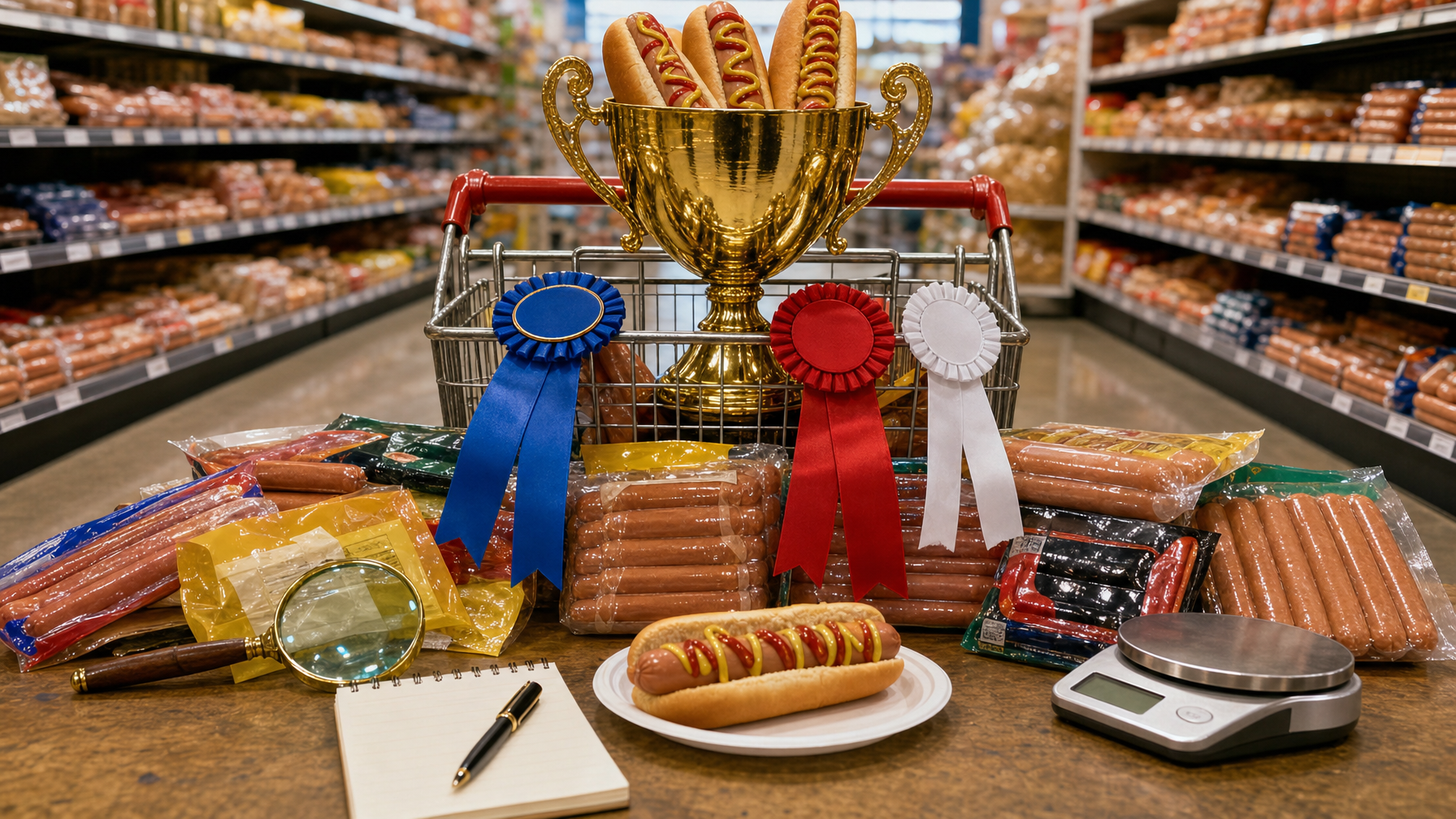
Applegate Hot Dogs Put the Grocery Aisle on Trial for Clean Labels and Actual Flavor
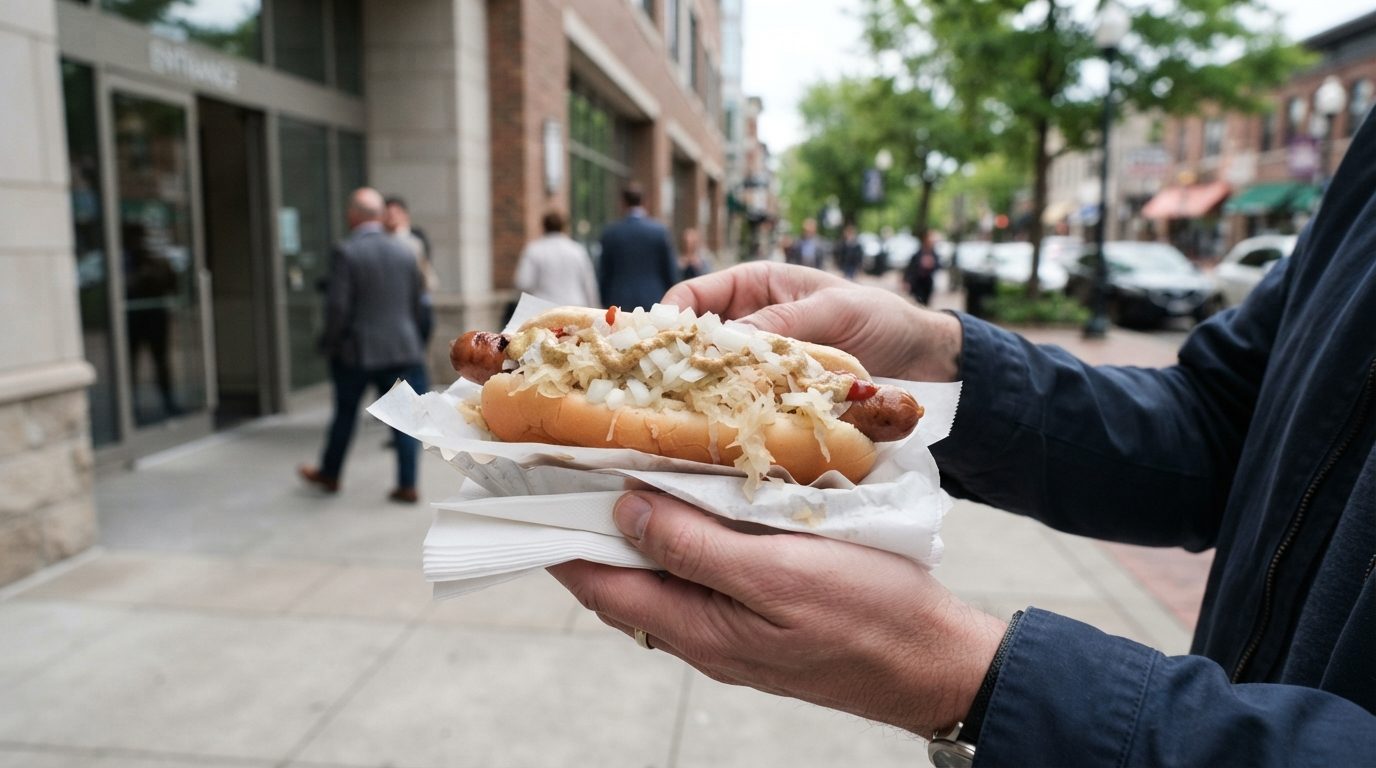
Applegate hot dogs should be judged as food first and label second. For hot dog enthusiasts and food culture readers deciding what deserves cart space, the honest verdict is simple: a clean sounding package cannot prove a frank has snap, savory depth, or the nerve to stand naked on a bun.
- Start with the exact Applegate variety, because recipes, casings, and cooking behavior can differ across the lineup.
- Judge the frank plain for casing resistance, juiciness, seasoning, sweetness, and browning before toppings join the circus.
- Mustard and onions are useful witnesses. Ketchup is not invited to this courtroom.
- Package language can describe ingredients and claims. It cannot settle the far more important question of whether dinner is good.
Applegate walks into court wearing a grocery store label
Applegate deserves a real sensory test, but its label cannot win the case by itself. This is for shoppers who want a grocery store hot dog that still behaves like a hot dog should: it browns, offers some resistance at the bite, tastes like more than warm salt, and does not require a condiment landslide to become interesting.
“Clean label” is consumer shorthand, not a universal guarantee that a food tastes better or is automatically a better choice for every person. The FDA explains food labeling requirements and nutrition information, but a package claim is still separate from the eating experience. Read the package, then make the frank do some actual work on the bun. FDA food labeling and nutrition information
Jason's editorial lens is happily severe: a decade spent eating hot dogs across all fifty states, zero ketchup. That is a point of view, not a commandment. If ketchup is your thing, live your truth. Just do not let it cover the evidence before you know what the frank tastes like.
Which Applegate frank is actually on trial?
Only the exact Applegate package in your hand belongs on trial, because “Applegate hot dogs” is a family name, not one identical product. Before deciding whether a pack is worth buying, photograph or note the package name, meat type, ingredient panel, package claims, purchase date, and store.
Keep the evidence attached to the package
Use the ingredients and claims exactly as printed on that package. Do not turn words such as “natural,” “uncured,” or any other front label language into a flavor prediction. A beef frank, a chicken frank, and a blend may offer very different seasoning, fat, texture, and casing behavior.
Availability is local and changeable. Confirm that the specific variety is on the shelf where you shop, rather than assuming every store carries every Applegate product. The brand's product collection is the sensible place to begin confirming current varieties and package details. Applegate hot dog products
Let the skillet expose the frank
A skillet is the clearest first test because it reveals whether a frank browns, weeps, wrinkles, splits, or merely gets hot. Follow the directions printed on the package as the baseline. If you also grill or microwave the same product, call that an editorial comparison rather than manufacturer instruction.
A fair cooking setup
- Cook one frank plain first, with no sauces or toppings nearby to rescue a weak result.
- Use the same bun style and roughly the same portion of toppings for any method comparison.
- Watch for surface color, tightening of the casing, moisture release, and splitting.
- Rest the cooked frank briefly before biting, so molten steam does not impersonate juiciness.
A good skillet result usually has visible browning and a casing that stays intact until the bite. Pale is not automatically bad, and splitting is not automatically fatal, but both are clues. A frank that releases lots of liquid and turns rubbery has made its argument poorly.
Grill and microwave are separate witnesses
Grilling can add char and smoke that flatter almost any respectable sausage. Microwaving can reveal texture with nowhere to hide. Neither method should be treated as a universal verdict unless you cook the same exact product that way and describe what happened. Food safety handling and cooking guidance comes from the USDA Food Safety and Inspection Service. USDA FSIS sausage safety guidance
Snap first, label second
Snap is the lead test because the casing often decides whether a grocery store frank feels lively or collapses like it has already heard the bad news. Bite the cooked hot dog plain and pay attention to the sequence: firm resistance, a clean casing break, then a tender interior is very different from a soft tube that vanishes into the bun.
Juicy is not the same as greasy
Juiciness means the interior tastes moist and flavorful. Greasiness means fat coats the mouth without bringing enough seasoning or meat character to the party. Keep those judgments separate. A rich frank can be excellent, while a slick and bland one is just wearing a shiny jacket.
Then assess the flavor plain. Is it savory, smoky, salty, sweet, muted, or oddly bouncy? This bite is the baseline. Mustard cannot be allowed to testify before the defendant has spoken.
Sweetness is not a personality
A little sweetness can round out a hot dog, but it should not turn the frank into a tiny dessert wearing a bun. Taste the plain dog first, then repeat with a restrained combination of mustard and onions if you are testing toppings.
Yellow mustard brings acidity and familiar tang. Brown mustard brings sharper spice. Raw onions offer bite, while grilled onions add sweetness. Each can complement a savory frank, but each can also spotlight problems. If the dog is already sweet, grilled onions may push it toward carnival corn candy territory. If it is overly salty, mustard may amplify the problem rather than solve it.
Can Applegate survive the no ketchup court?
Applegate survives Jason's no ketchup court only if the exact cooked frank tastes complete without a sugary red safety net. That does not mean every reader must swear off ketchup. It means a plain bite is the toughest and most revealing standard available.
Toppings that reveal instead of bury
- Yellow mustard: Useful for checking whether basic tang sharpens the frank or exposes weak seasoning.
- Brown mustard: Useful when you want more assertive spice without adding a lot of sweetness.
- Raw onion: Useful for testing whether the frank can hold its own against crunch and sulfurous bite.
- Grilled onion: Useful for checking whether the frank has enough savory balance to handle added sweetness.
- Sauerkraut or relish: Useful only if you actually like them and use them sparingly enough to keep the frank audible.
If a hot dog tastes satisfying plain, it has earned the bun. If it needs a heap of toppings to become memorable, the toppings deserve the applause.
The grocery aisle verdict needs more than a halo
Applegate is a credible contender only when the specific variety you buy delivers on texture, flavor, cooking behavior, and topping performance in your own kitchen. There is no honest blanket verdict for an entire lineup without naming the exact package and documenting the cook.
| What to judge | A convincing result | A warning sign |
|---|---|---|
| Texture | Noticeable casing resistance and a tender center | Rubbery exterior or a soft interior that disappears into the bun |
| Flavor | Savory seasoning that remains clear when eaten plain | Sweetness, salt, or blandness that dominates the bite |
| Cooking behavior | Even heating, useful browning, and an intact casing | Puddled moisture, pale skin, or repeated splitting |
| Topping performance | Mustard and onions add contrast without replacing flavor | Condiments must do all the heavy lifting |
Buy the exact Applegate variety if its ingredient profile matters to you and it passes these sensory checks. Choose another frank if you want a more aggressively seasoned profile, a firmer casing, or deeper grill character. Price and shelf availability should be recorded only from the specific store and package you are considering, because grocery pricing loves chaos.
A quick follow from Jason
For more grocery aisle trials, hot dog recipes, destination finds, and food culture dispatches with strong opinions and zero ketchup, follow @jasonsgrub on Instagram.
Questions from the condiment counter
Are Applegate hot dogs worth buying?
They can be, but the answer depends on the precise variety, how it cooks, and whether it gives you satisfying texture and savory flavor at the price on your local shelf. Judge the package you are buying, not the broad brand name.
Do Applegate hot dogs have a satisfying snap?
That must be assessed by the exact product and cooking method. Cook one plain, bite through the casing, and note whether it gives clean resistance or turns soft and rubbery. Do not assume one Applegate variety speaks for every other one.
What toppings work best with Applegate hot dogs?
Start with yellow or brown mustard and onions because they add contrast without hiding the frank. Add sauerkraut or relish only after you know whether the dog is salty, sweet, smoky, or mild on its own.
Can Applegate hot dogs be cooked on a grill or in a skillet?
Use the preparation directions on the specific package as the authority. A skillet is particularly useful for evaluating browning and moisture, while a grill can add char. Keep any side by side comparison controlled so the bun and toppings do not change the result.
Are clean label hot dogs automatically healthier?
No. Label language alone does not settle that question. Review the ingredient list and Nutrition Facts panel for the exact package, and use FDA labeling information when interpreting what the package is required to show.
Sources
These sources provide product lookup, food safety, and labeling context. They do not replace checking the exact package in your cart.
- Applegate, hot dog products
- United States Department of Agriculture Food Safety and Inspection Service, sausages and food safety
- United States Food and Drug Administration, food labeling and nutrition
Enjoyed this? There's more from Jason's Grub.
Follow on Instagram →