Part of the Hot Dog Products hub
Field Roast Stadium Dogs Are Making Plant Based Fans Demand Better Buns
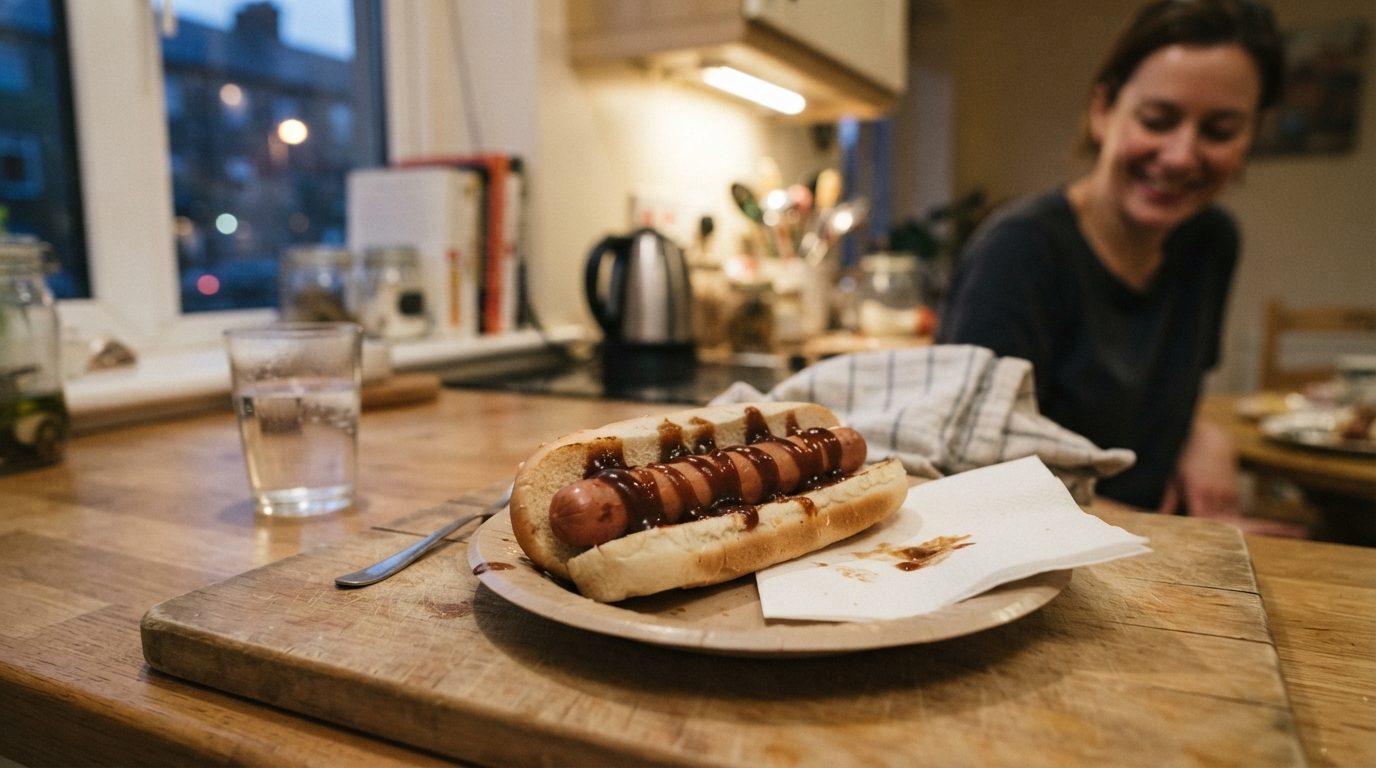
Field Roast Stadium Dogs deserve to be judged like any serious hot dog: by bite, browning, topping balance, and whether the bun survives the assignment. This is for hot dog people who want a plant based option that can stand in a classic bun without asking novelty points to do the heavy lifting.
- Judge the dog by its bite, browning, topping balance, and bun performance.
- Give it the same standards as a classic hot dog, not a separate novelty category.
- Check the current package wording, cooking directions, and purchase listing before buying.
- Ask one rude but fair question: does the dog improve the build, or expose a flimsy bun?
The bun has entered the argument
Field Roast Stadium Dogs may be worth buying if they can carry a traditional hot dog build without making the bun, mustard, and onions perform a rescue mission. A plant based dog is not automatically a substitute, a side quest, or a moral fable. It is lunch. Lunch should have standards.
Those standards are pleasantly unforgiving: Does the exterior have a satisfying resistance? Does the center hold together? Does cooking create a browned surface with actual character? Can the flavor remain audible once toppings arrive? And does the bun fit the dog without splitting, sliding, or turning into damp confetti?
Current availability, package format, and preparation instructions can change. Confirm them on the package and a current official or retailer listing before treating this as a shopping recommendation.
What counts as a serious hot dog bite?
A serious hot dog bite has a clean exterior give, a cohesive center, and enough structure that it does not feel like flavored paste in a tube. It does not have to imitate every feature of a meat frank to earn respect, but it should feel intentional rather than rubbery, crumbly, or mushy.
Start plain before the condiment cavalry arrives
Cook the Stadium Dog according to the current package directions, then taste one bite plain. This is the part where a product either has a point of view or starts hiding behind yellow mustard.
Pay attention to three things:
- Exterior: Does the surface resist slightly, then yield cleanly?
- Center: Does it stay cohesive through the bite, or break apart oddly?
- Chew: Is the texture satisfying, overly firm, soft, or springy in a way that feels manufactured rather than food shaped?
People use the word snap loosely. Here, it means a noticeable initial resistance at the surface, not a requirement that every dog audition for the same casing based trick. A softer bite can still work if it is flavorful, coherent, and pleasant to eat.
Browning is not decoration. It is evidence.
Browning tells you whether the dog can develop deeper cooked flavor and a more appealing surface, not whether it has earned a nutrition halo. A pale tube can be delicious, but it had better bring a very persuasive speech.
Let the current package call the cooking play
Use only the preparation methods supported by the current product packaging or official product page. If pan cooking is listed, look for even color, a surface that holds its shape, and a finish that is not dried into a tiny edible tire. If grilling is listed, look for controlled browning rather than scorched stripes over a soft, exhausted center.
Describe what is on the plate, not what you wish were on the plate. Patchy color, a soft exterior, surface splitting, or dry edges are useful observations. They help answer whether this dog wants a skillet, a grill, or a less dramatic cooking approach.
Can toppings make the dog disappear?
A good hot dog contributes flavor to the whole build instead of acting as a warm stick for condiments. The Stadium Dog should get two tests: one restrained build and one crowded build.
Build one: keep the cross examination short
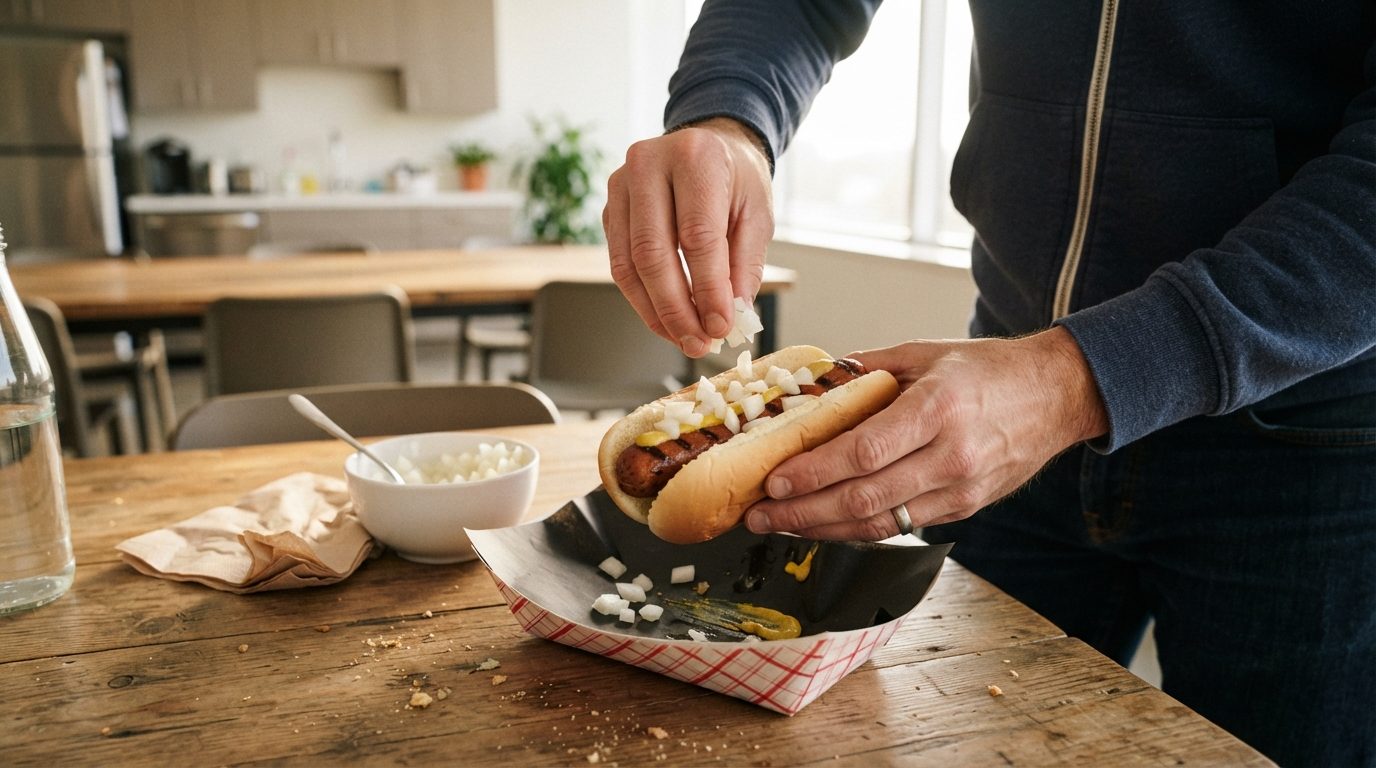
Start with a bun, the cooked dog, mustard, and one crisp topping such as finely chopped onion. This combination gives acidity, bite, and texture without disguising the dog. If the seasoning, smoke, sweetness, spice, or savory depth still comes through, the product has a fighting chance.
Build two: let the toppings get loud
Then add a more assertive combination, such as mustard, relish, and onion. The question is not whether the toppings taste good. Of course they do. The question is whether they make the dog better, or whether they erase it completely.
A useful verdict sounds specific: mustard sharpened the seasoning, relish made the build too sweet, onions gave needed crunch, or stronger toppings buried the dog. Those are eating impressions, not health claims and not laboratory findings. They are also much more useful than pretending every condiment belongs everywhere.
When the bun becomes the real headline
The right bun should hold the Stadium Dog securely, keep it centered, and survive the first bites without tearing or collapsing. If the bun is struggling, the dog is not necessarily innocent, but the build is definitely guilty.
Fit is not a boring detail
Choose a bun that matches the dog’s length and width. A dog that overhangs wildly can turn the first bite into a bunless ambush. A bun that is too wide invites the dog to roll around while toppings scatter like they heard a fire alarm.
Check for excess moisture, awkward overhang, and whether the bread compresses into paste under the combined weight of the dog and toppings. A sturdier bun may be appropriate if the cooked product is especially moist or substantial. That is not an excuse for bad bread. Plant based hot dog fans should not have to settle for a weak bun just because the filling took a different route to the plate.
Give the product a fair shot before getting weird
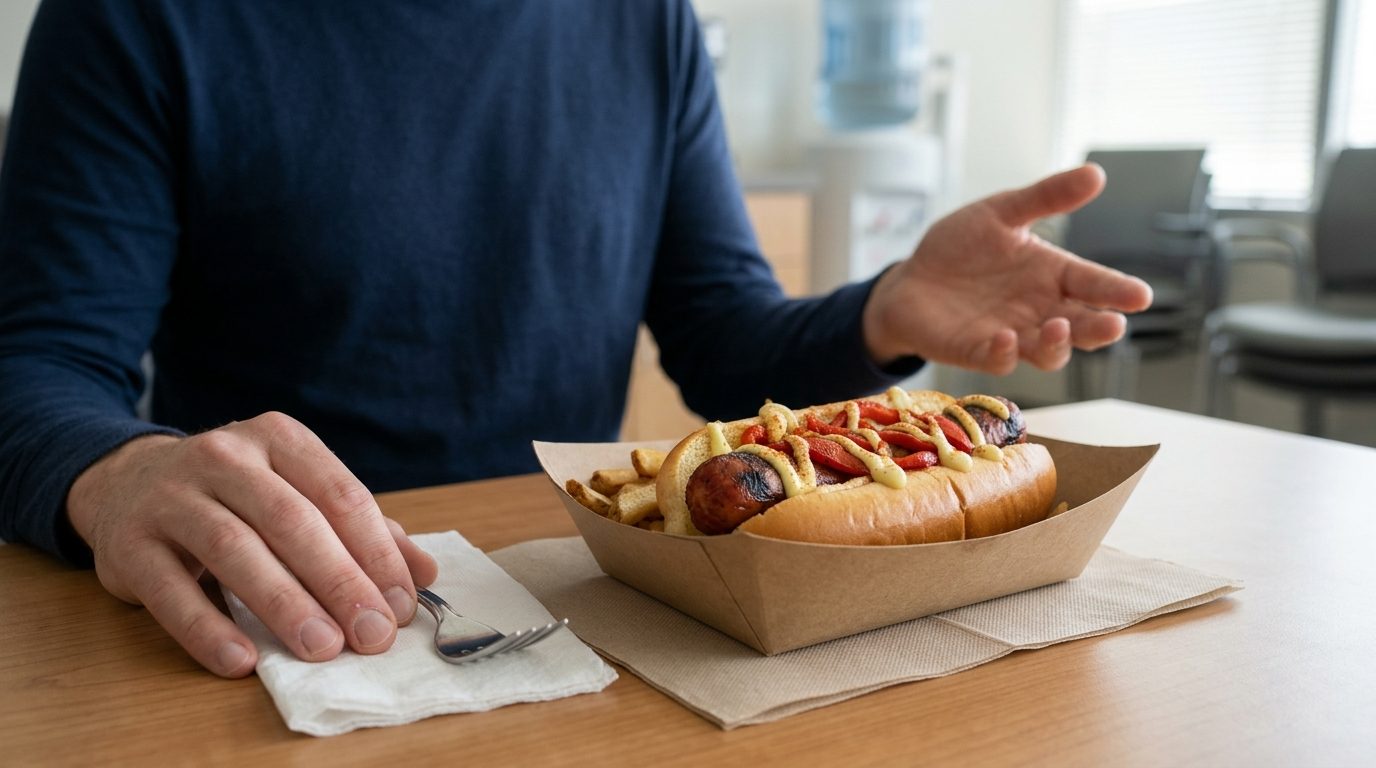
The fairest first serving is simple: a suitable bun, a cooked Field Roast Stadium Dog, mustard, and one crisp topping. That build makes it possible to judge the product rather than merely judge an elaborate pile of things that were always going to taste like onions and relish.
A second build can earn its way onto the plate
After the basic version, try a stronger combination only if the first bite gives you a reason to keep investigating. Choose toppings that complement what you actually taste. A smoky or deeply seasoned dog may need mustard and onion more than sweetness. A mild dog may benefit from sharper mustard or a pickle based topping. If a topping only disguises the product, it has answered the question for you.
This is intentionally not a remake of Jason’s Signature Charcoal Snap Dog. That recipe has its own charcoal driven mission. The Stadium Dog test is about whether a purchasable plant based product can own a straightforward, everyday bun build.
Want more hot dog arguments with evidence?
Follow @jasonsgrub on Instagram for new hot dog finds, places, recipes, and culture coverage.
What the package and checkout page need to prove
Before this becomes a grocery recommendation, the product package and a current purchase listing need to confirm that Field Roast Stadium Dogs are presently available, what the package calls the product, how it is sold, and how the maker says to cook it.
- Check the official Field Roast site for the current product name and cooking guidance.
- Check a current retailer listing before traveling to a store or planning a cookout around it.
- Use the package in hand as the final word on directions and serving format.
- Do not assume nationwide availability, store inventory, or price. Grocery shelves are chaos in fluorescent lighting.
If a current listing cannot be confirmed, treat availability as variable rather than making a promise that sends someone on a foolish errand.
Questions hot dog people will reasonably ask
Does Field Roast Stadium Dog have a traditional snap?
That should be answered from a plain, freshly cooked bite. Look for surface resistance and a cohesive center, then describe the result honestly. A product can have a softer or different bite and still succeed, but it should not be granted imaginary snap because the label says hot dog.
Can Field Roast Stadium Dogs brown in a pan or on a grill?
Use the methods listed on the current package or official product page, then judge the visible result. Look for appealing color, a surface that remains intact, and a cooked exterior that does not become dry or tough. Do not assume a method is supported until the current instructions say so.
Which bun works best with Field Roast Stadium Dogs?
Use a fresh bun that fits the cooked dog closely and has enough structure for the toppings you choose. The best choice is the one that keeps the dog centered and does not tear or turn soggy during the first bites. Confirm the exact bun if you are recreating a photographed build.
What toppings work best?
Begin with mustard and a crisp onion topping. Add relish or other louder toppings only after tasting the simple build. Keep the toppings that sharpen the dog’s flavor and drop the ones that turn it into an anonymous condiment delivery system.
Where can I buy Field Roast Stadium Dogs?
Check the official Field Roast website and a current retailer product page immediately before buying. Availability can vary by store and location, so a current listing beats an old grocery rumor every time.
Sources
Enjoyed this? There's more from Jason's Grub.
Follow on Instagram →