Part of the Recipes and Cooking Methods hub
Sweet Mustard, Loud Pickles, and the Estonian Viiner That Refuses to Be Boring
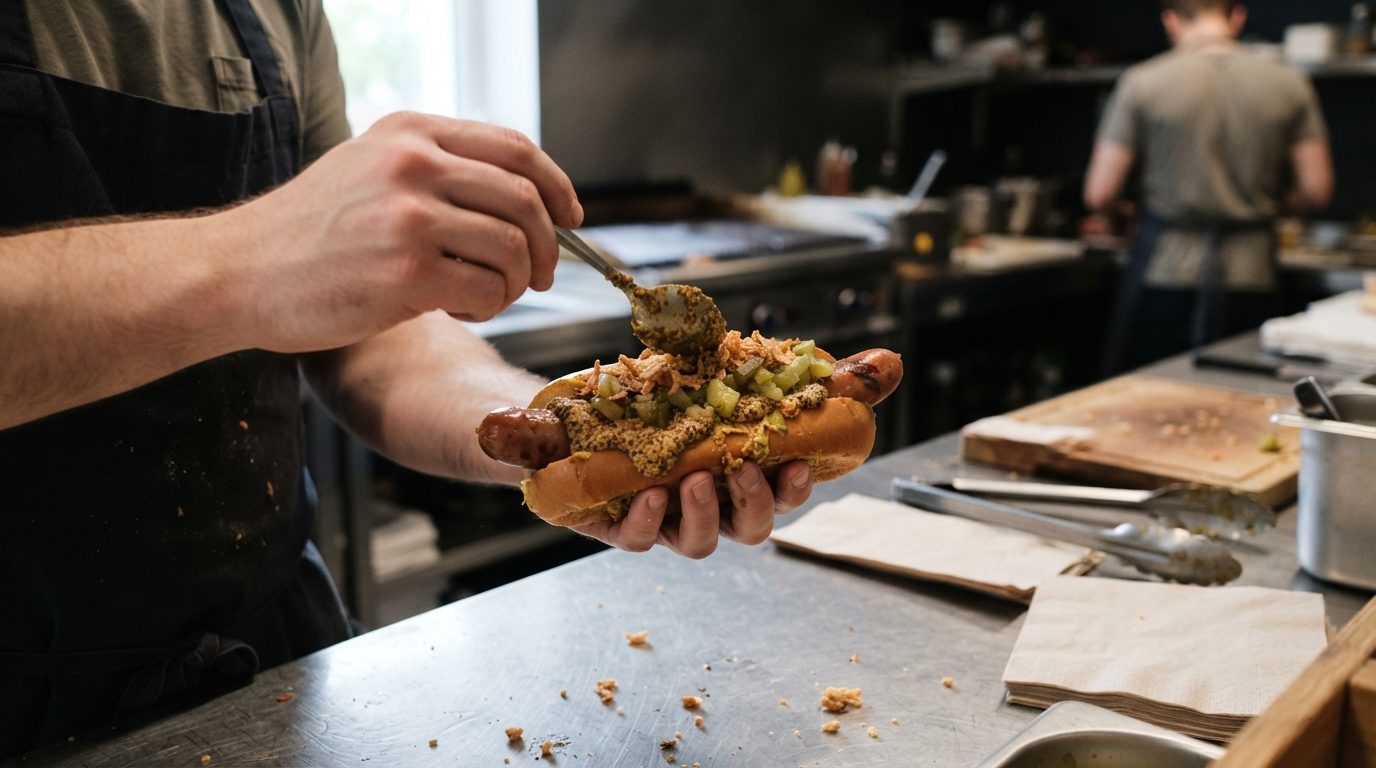
An Estonian inspired viiner gets interesting when a savory sausage meets sweet mustard and sharp pickles, with no topping allowed to shout the others off the plate. This is for hot dog obsessives and home cooks who want a specific, balanced build instead of an international novelty costume.
- Use a cooked viiner, or a similar cooked sausage, as the center of the build.
- Add sweet mustard sparingly, then use well drained chopped pickles for bright crunch and tang.
- Prepare the toppings before warming the sausage so assembly is quick and the bun stays sturdy.
- Skip ketchup because that is Jason's house position, not a rule about every Estonian table.
- Call this an Estonian inspired home build. It is not presented as one fixed, universal Estonian recipe.
The viiner is not waiting for a personality transplant
The sausage is the point, but sweet mustard and pickles provide the contrast that makes this viiner build worth repeating. A viiner is a sausage name used in Estonian food contexts, though the exact product, seasoning, and serving style can vary. That variation is precisely why pretending there is one sacred assembly order would be silly.
For this home version, start with a cooked viiner or another mild cooked sausage with a casing that can retain a little snap. The goal is not to disguise it beneath a carnival float of sauces. The goal is to give the sausage a soft sweet note, a crisp acidic note, and enough breathing room for each bite to remain recognizable.
Jason has spent ten years chasing hot dogs across 50 states with zero ketchup in the picture. That is a house perspective, not evidence about Estonian food culture. Here, it leads to a simple decision: sweet mustard and pickles already handle sweetness and tang. Ketchup would be a third person loudly telling the same story.
Sweet mustard does the friendly work
Sweet mustard is the rounded, gentle counterweight to a salty sausage and a bright pickle. It should support the viiner, not entomb it in a glossy yellow trench.
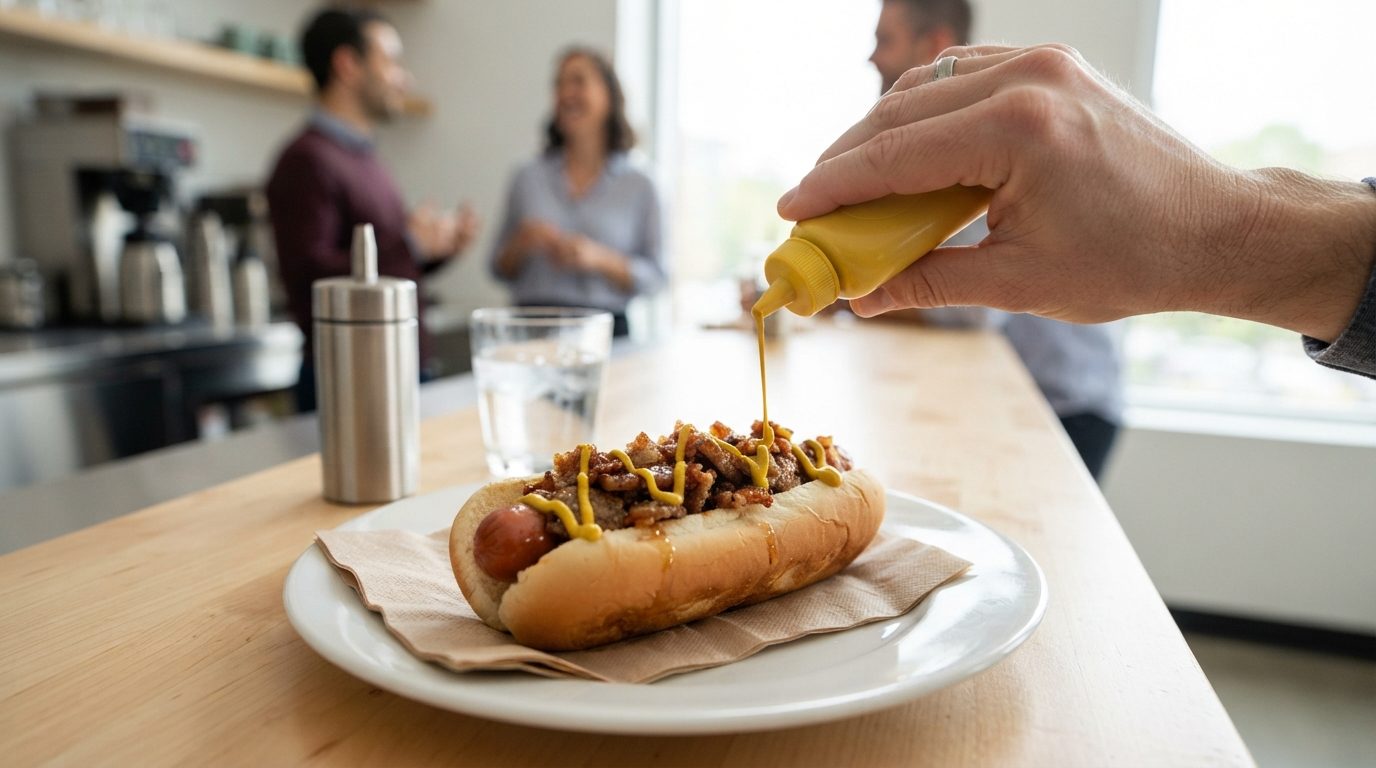
Stir the mustard before serving, especially if it has been sitting in the jar. Then apply a narrow stripe or a small spoonful along the sausage. A clean finishing drizzle works too, provided it stays restrained. You want a bite that begins with sausage, catches a touch of sweetness, then wakes up when the pickle arrives.
Do not turn this into a mustard history seminar with no receipts. The useful cooking fact is much simpler: choose a sweet mustard you enjoy, use less than you think, and leave room for the pickle to do its sharp little number.
Loud pickles need a volume knob
Pickles should be present in every bite without converting the meal into a pickle sandwich wearing a sausage hat. Finely chop them for even distribution, or slice them thinly if you want a more distinct crunch.
Drain the pickle pieces thoroughly before assembly. A few minutes in a small strainer, followed by a gentle blot with a clean towel or paper towel, keeps excess brine from soaking the bun or pooling on the plate. This is not fussy cooking. This is basic anti sadness engineering.
Choose your pickle texture on purpose
Small pieces spread acidity and crunch across the whole build. Larger pieces deliver occasional, sharper bursts of tang. For a useful middle path, use mostly small pieces and reserve a few larger ones for the top. The sausage stays in charge, while the pickles still get to make noise.
The home cooking sequence, without the ketchup detour
Prepare the mustard and pickles first, then warm the sausage and serving base so the finished viiner can be assembled and eaten immediately. This sequence protects the bun from soaking and keeps the sausage from waiting around while toppings are still being hunted down in the refrigerator.
- Stir the sweet mustard and set it beside the serving plate with a spoon or squeeze bottle.
- Chop or thinly slice the pickles, drain them well, and keep them ready in a small bowl.
- Warm the cooked viiner using a stovetop, grill, or another suitable method until it is heated through and still has a pleasant bite.
- Lightly warm a bun if you are using one. It should be warm and flexible, not steamed into surrender.
- Place the viiner in the bun or on another sturdy serving base.
- Add a restrained stripe of sweet mustard.
- Distribute the pickles over the sausage so their placement is visible and repeatable from bite to bite.
Jason's final instruction is blunt: leave the ketchup bottle on the bench. Sweet mustard and pickles already bring sweetness and acidity, while ketchup tends to blur the contrast. That is the house ruling. It is not a universal instruction for Estonia or anyone else's lunch.
A build that knows when to stop
The default build is viiner, bun or another serving base, sweet mustard, and pickles, because restraint keeps its sweet, savory, and sharp contrast intact. Extra sauces often flatten the whole thing into one wet, generic flavor cloud.
Want it sweeter? Add a little more mustard. Want it brighter? Add more drained pickle. Those are sensible adjustments because they amplify the existing idea rather than dragging in an ingredient that has not earned a seat at the table.
Fix the common little disasters
| Problem | What happened | Fix |
|---|---|---|
| Soggy bun | Pickle brine or too much sauce soaked the bread. | Drain and blot the pickles, use less mustard, and assemble immediately before eating. |
| Overpowering mustard | The sweet note covered the sausage. | Use a thinner stripe and let the warm sausage carry the first flavor. |
| Bland pickle | The pickle is not bringing enough tang or crunch. | Use a pickle with more acidity, or choose larger pieces for a more noticeable bite. |
| Sausage without snap | It was warmed too aggressively or held too long before serving. | Use gentler heat and build the dog as soon as the sausage is ready. |
What to photograph without pretending the picture is a passport
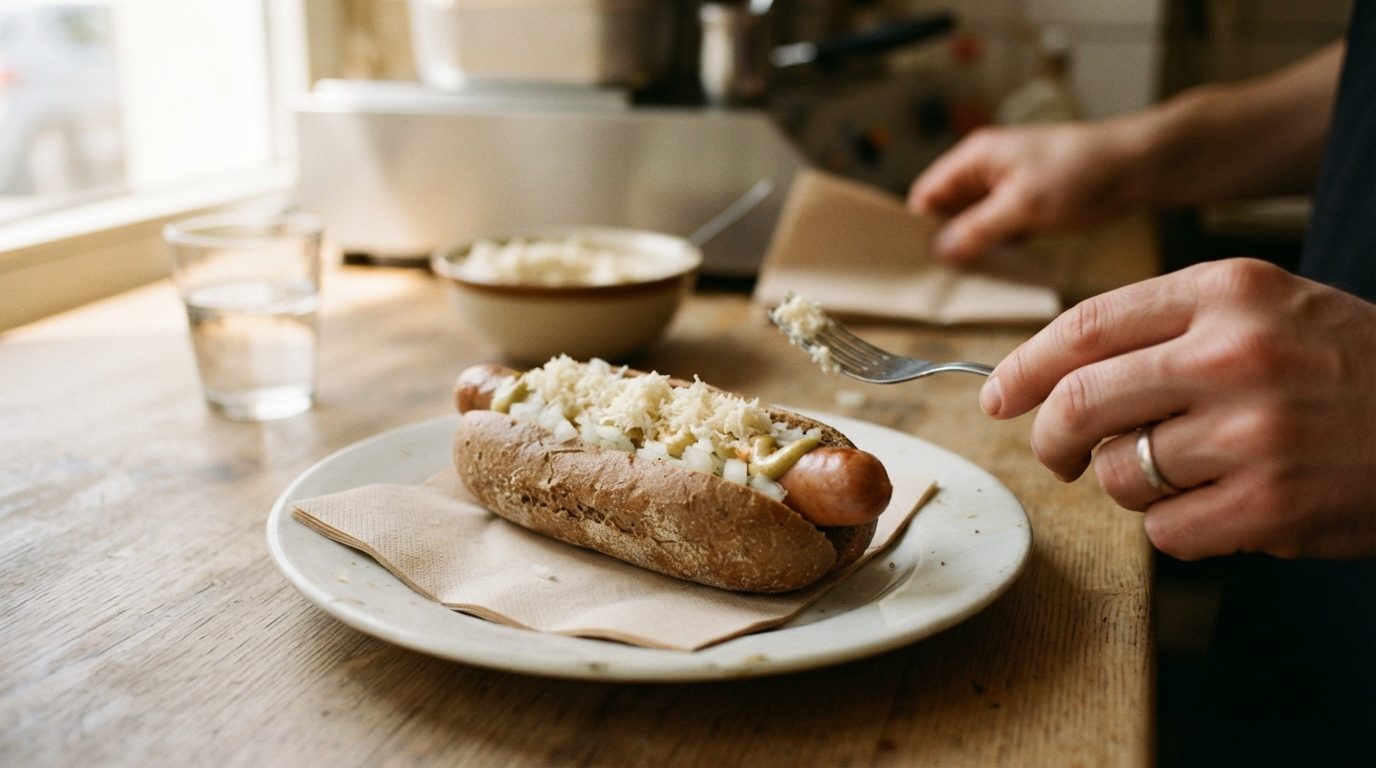
Photograph the finished viiner with visible sweet mustard and clearly identifiable pickle pieces, because the topping balance is the actual story. A close view of the sausage, mustard stripe, and pickle texture beats a generic hot dog glamour shot that could belong to any lunch anywhere.
If Estonia appears in the scene, use a subtle, accurate cue that genuinely belongs there. Do not use a flag, landmark, or restaurant detail as decorative proof that the plate is more Estonian than it is. The dish is an Estonian inspired home build, and the photo should say exactly that through honest ingredients.
Suggested alt text: A warm viiner in a bun topped with sweet mustard and chopped pickles on a simple plate.
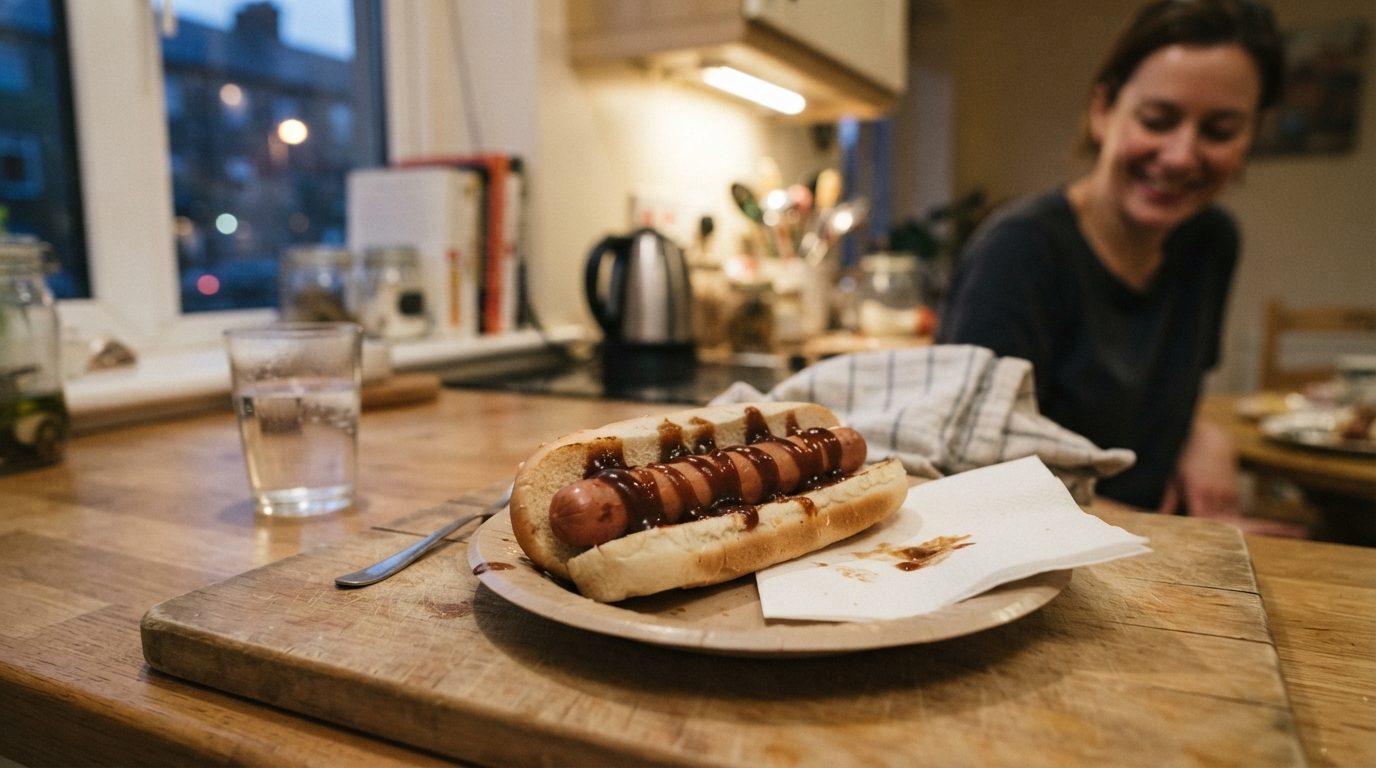
Keep ketchup out of the frame. It contradicts the build, the article, and frankly the entire point of the exercise.
Try the viiner build, then follow Jason's next hot dog argument
Make this at home with one sausage, sweet mustard, and properly drained pickles before deciding whether it needs anything else. It probably does not.
Kitchen assignment: Try the sweet mustard and pickle sequence exactly once before adding extra toppings. Then follow @jasonsgrub on Instagram for more specific hot dog recipes, places, products, and food culture coverage.
FAQ: The questions that arrive before the first bite
These answers keep the build specific without pretending it is a fixed rulebook for Estonian food.
What is a viiner?
A viiner is a sausage name used in Estonian food contexts, though specific products and serving styles can vary. For this recipe, use a cooked viiner if available or a similar mild cooked sausage.
Is this an authentic Estonian recipe?
No. This is presented as an Estonian inspired home cooking build centered on a viiner, sweet mustard, and pickles, not as a claim that one exact topping formula represents every Estonian serving tradition.
Can I use another sausage?
Yes. Choose a similar cooked sausage with a mild savory profile. Its seasoning, casing, and texture will change the result, so let the sausage guide how much mustard and pickle you add.
Why leave out ketchup?
Jason's answer is that sweet mustard and pickles already supply the sweetness and acidity this build needs. That is a strong house opinion, not a universal Estonian rule.
How do I stop the pickles from making the bun soggy?
Drain them well, chop them evenly, use a restrained amount of mustard, and assemble immediately before eating.
Sources
These sources provide background on Estonian cuisine and sausage handling. This article does not claim that its exact topping sequence is a universal Estonian preparation.
- Visit Estonia: Estonian cuisine
- USDA Food Safety and Inspection Service: Sausages and food safety
Enjoyed this? There's more from Jason's Grub.
Follow on Instagram →