Should a Hot Dog Be Dinner or Content for the Algorithm
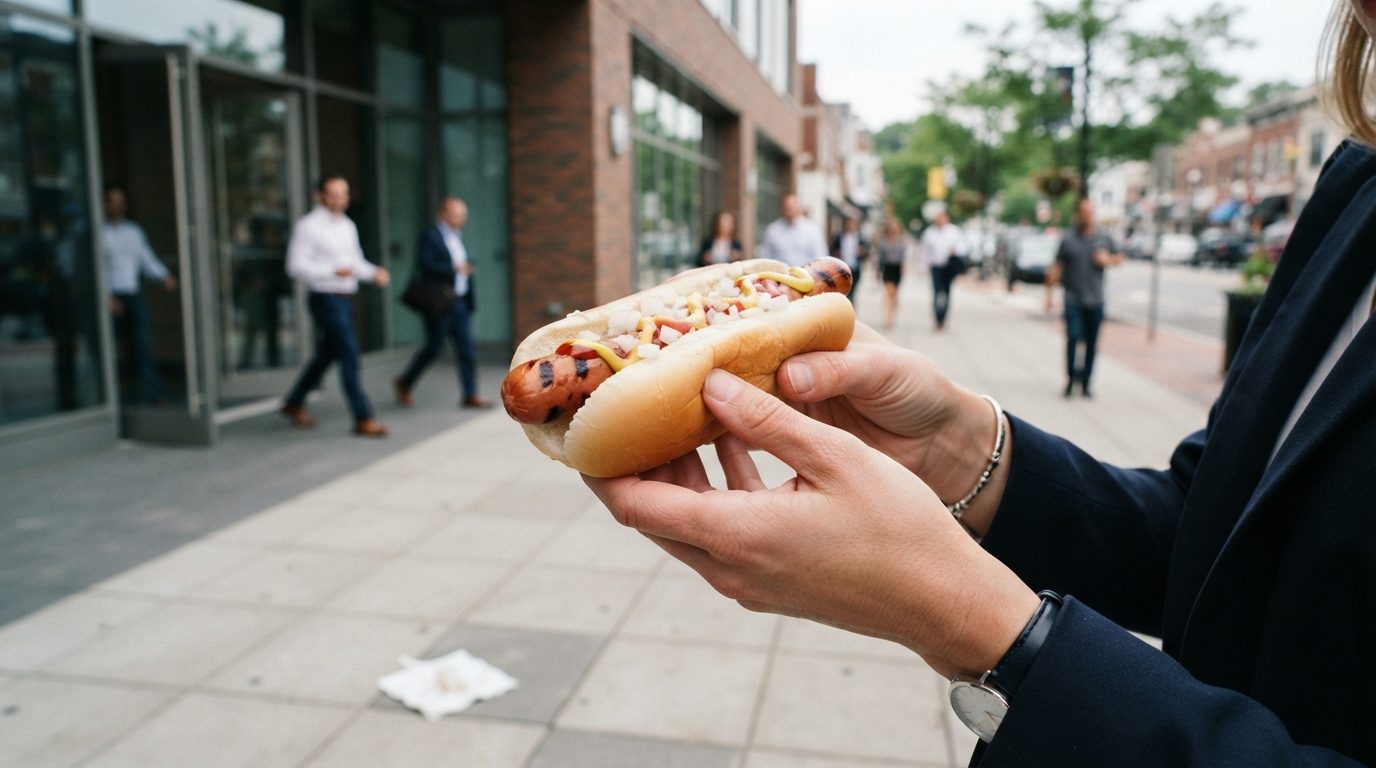
A hot dog should be dinner when every bite works, from frank to toppings to bun. It is algorithm content when the stunt is louder than the food and the eater needs engineering equipment before lunch begins.
- Dinner wins when the dog is easy to bite, balanced in flavor, and sturdy enough to finish without a lap based disaster.
- Content earns a pass only when the big visual idea adds flavor, texture, or a genuinely interesting food question.
- Sauce control comes first. A topping mountain has no glory if it floods the bun or buries the frank.
- The bun is dinner equipment. It is not disposable scenery hired to hold the dog still for a photograph.
- Jason does not do ketchup. That is his declared position, not a universal law handed down from Mount Mustard.
Is this food or just feed bait?
A hot dog earns dinner status when its construction works in the mouth, while an algorithm stunt must prove it is more than a photograph. This is for hot dog enthusiasts and food culture readers who want a useful verdict, not another breathless replay of what appeared on a screen.
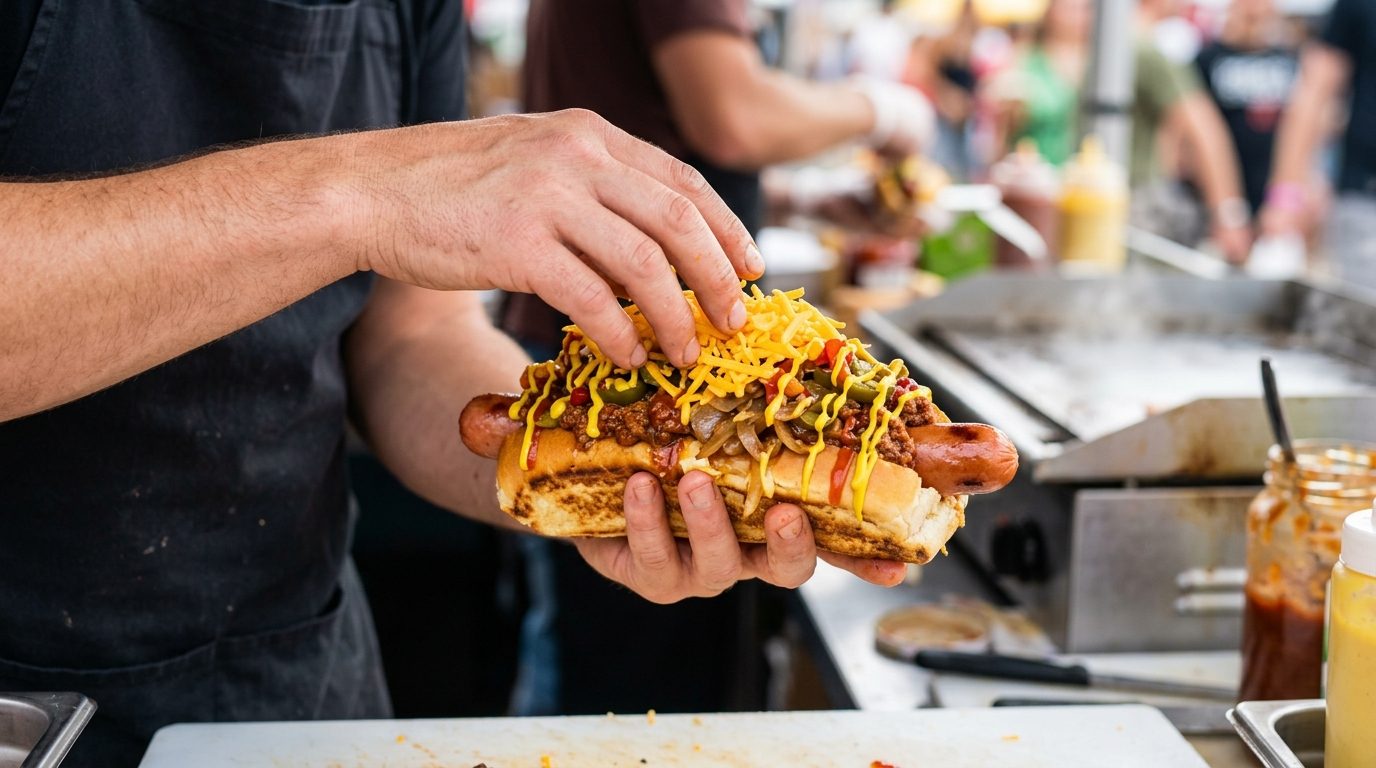
The test is simple: structure, sauce control, biteability, bun survival, and whether the stunt actually improves the eating experience. A wild dog is welcome at this table. A useless dog wearing a cheese avalanche like a hat is not.
Jason's no ketchup position is an editorial stance with a decade of eating hot dogs across all 50 states behind it. It gives the verdict a clear point of view. It does not mean every ketchup eater has committed a culinary felony. They are simply taking a route Jason declines to travel.
The first test is the bite, not the thumbnail
Biteability means you can eat the hot dog in a normal sequence without chasing toppings, losing the frank, or watching the bun split into separate jurisdictions. The intended flavors should arrive together in the first bite.
Look at alignment. Does the topping sit along the sausage, or does it perch above it like a tiny, doomed condo? Does the bun cradle the build, or merely witness it? A good dog lets the eater meet the frank, condiment, and topping in a coherent mouthful.
A practical pass or fail
A restrained layer of slaw can add crunch, creaminess, and tang while remaining in the bun. That is a pass. A towering heap of slaw that slides onto the plate before the first bite is visual theater. It may be entertaining theater, but it is still theater.
Novelty is not the villain. Novelty that vanishes the instant the camera lowers is the villain.
Sauce control separates dinner from a condiment crime scene
Sauce control means using enough condiment to contribute flavor without soaking the bun, overpowering the frank, or turning each bite into a different wet surprise. Sauce should support the build, not announce a flood warning.
Judge four things: where the sauce lands, how thick it is, how much is used, and whether it reaches each bite. A deliberate stripe can give a dog a consistent flavor path. An overloaded pour may photograph beautifully from above, then send the bottom half of the bun directly into retirement.
Jason's ketchup filter
Jason's preference is no ketchup, full stop. That preference helps sharpen a question worth asking of any condiment: does it bring contrast, richness, heat, tang, or another useful flavor, or is it merely present because someone owns a squeeze bottle?
Ketchup can be structurally controlled and still fall outside Jason's preferred build. Those are different judgments. Personal taste decides whether he wants it. Construction decides whether the dog can survive it.
The bun has one job and it keeps getting disrespected
The bun must hold the frank and toppings from the first bite through the last. If it tears, turns soggy, splits open, compresses into paste, or forces the eater to abandon it, the build has failed a very basic assignment.
A toasted bun can bring crunch and a little resistance. A steamed bun can be soft and flexible. A split bun can create a deeper pocket for toppings. None is automatically superior, because the right choice depends on the frank, moisture level, and topping load.
Broken is not charming
A broken bun is not a charming behind the scenes moment. It is evidence against the build. Mess can be glorious when it arrives after a successful bite. Mess before the first bite is a design note that should have stayed in the kitchen.
When does the stunt earn its screen time?
A stunt earns coverage when an unusual ingredient, format, or presentation creates a meaningful eating question. The question might be whether a crunchy topping changes the texture, whether a sauce makes an unexpected pairing work, or whether a different bun improves the whole operation.
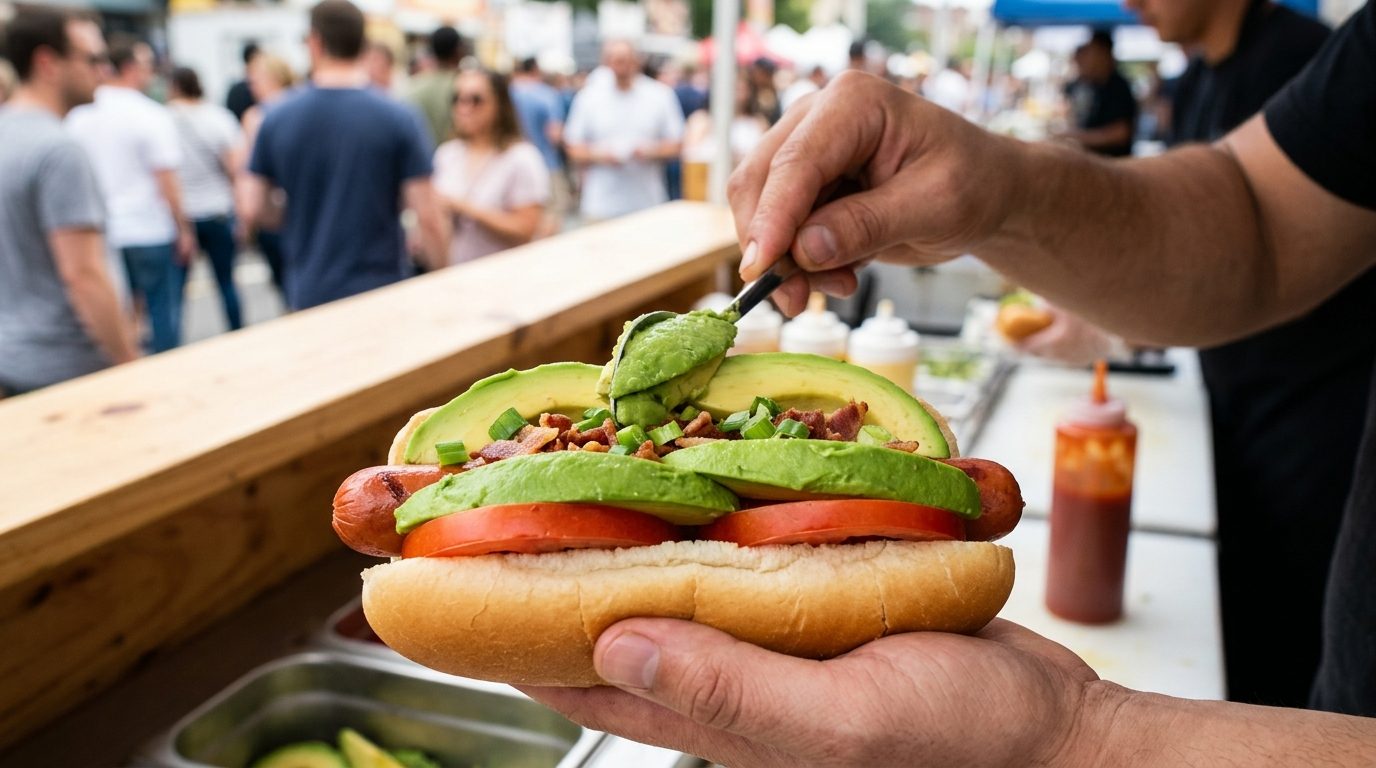
Useful novelty has a job. Empty scale has a camera angle. A topping combination that brings salty, sharp, creamy, or crisp contrast can justify itself. A pile added only to make the dog taller has confused elevation with flavor.
The one sentence smell test
Describe the idea in one sentence after the photo disappears. Does it still sound worth eating? “A grilled hot dog with crunchy slaw and a sharp mustard sauce” has an edible logic. “A hot dog buried under whatever fit in the frame” has less of one.
That leads to three verdicts: dinner, content, or dinner that happens to make good content. The last category is the prize. It means the food did not need the phone, but the phone got lucky anyway.
Jason's no ketchup scorecard
Jason's scorecard asks whether the dog deserves a plate before it asks whether it deserves a post. No invented rankings, fake precision, or dramatic decimal points are necessary.
| Check | What to look for |
|---|---|
| Biteability | Can the intended ingredients arrive together without toppings escaping? |
| Sauce control | Does the condiment add flavor without drowning the bun or masking the frank? |
| Bun survival | Can the bun carry the meal through the final bite? |
| Flavor purpose | Does each unusual element add a clear taste or texture benefit? |
Then comes the final question: would Jason order or build it again after the camera is gone? His no ketchup stance is part of the voice behind that answer. It does not replace the broader test. A dog still has to eat like dinner.
Plate it or post it
A hot dog is dinner when its ingredients cooperate, its bun holds, and its toppings reward eating rather than photographing. It is algorithm content when the image depends on mess, height, excess, or shock while the actual bite remains unresolved.
Keep this rule handy: if the hot dog needs a fork, a second bun, or a cleanup crew before the first bite, the stunt is probably beating the meal. Put the phone down long enough to find out.
Want the next verdict? Follow @jasonsgrub on Instagram for more hot dog judgments, bun inspections, and zero ketchup diplomacy.
FAQ: Questions hot dog people will still ask
What makes a hot dog worth calling dinner?
A dinner worthy hot dog delivers a satisfying bite, balanced toppings, controlled sauce, and a bun that stays usable through the meal. It can be simple or outrageous, but it must work as food.
Can an outrageous hot dog still be good food?
Yes. Unusual ingredients and big ideas can be excellent when they improve flavor or texture and remain practical to eat. The issue is not ambition. The issue is whether the ambition survives contact with a human mouth.
Is ketchup always disqualified?
For Jason's preferred builds, yes. His stated no ketchup stance is part of his editorial point of view. It is not presented as a universal rule for every eater, and it does not change the basic question of whether the dog is well built.
How can I tell whether a hot dog was built for the camera?
Watch for excessive height, unstable toppings, uncontrolled sauce, and a bun that appears unable to survive the first bite. If the photo is doing all the work, the lunch may need a rewrite.
Does a hot dog need to look neat to be good?
No. A good hot dog can be gloriously messy. It needs to be structurally intentional and enjoyable to eat, not pristine enough for a museum pedestal.
Sources
Enjoyed this? There's more from Jason's Grub.
Follow on Instagram →