Part of the Everything Else hub
Reindeer Dogs Keep Making Alaska Look Too Delicious to Ignore
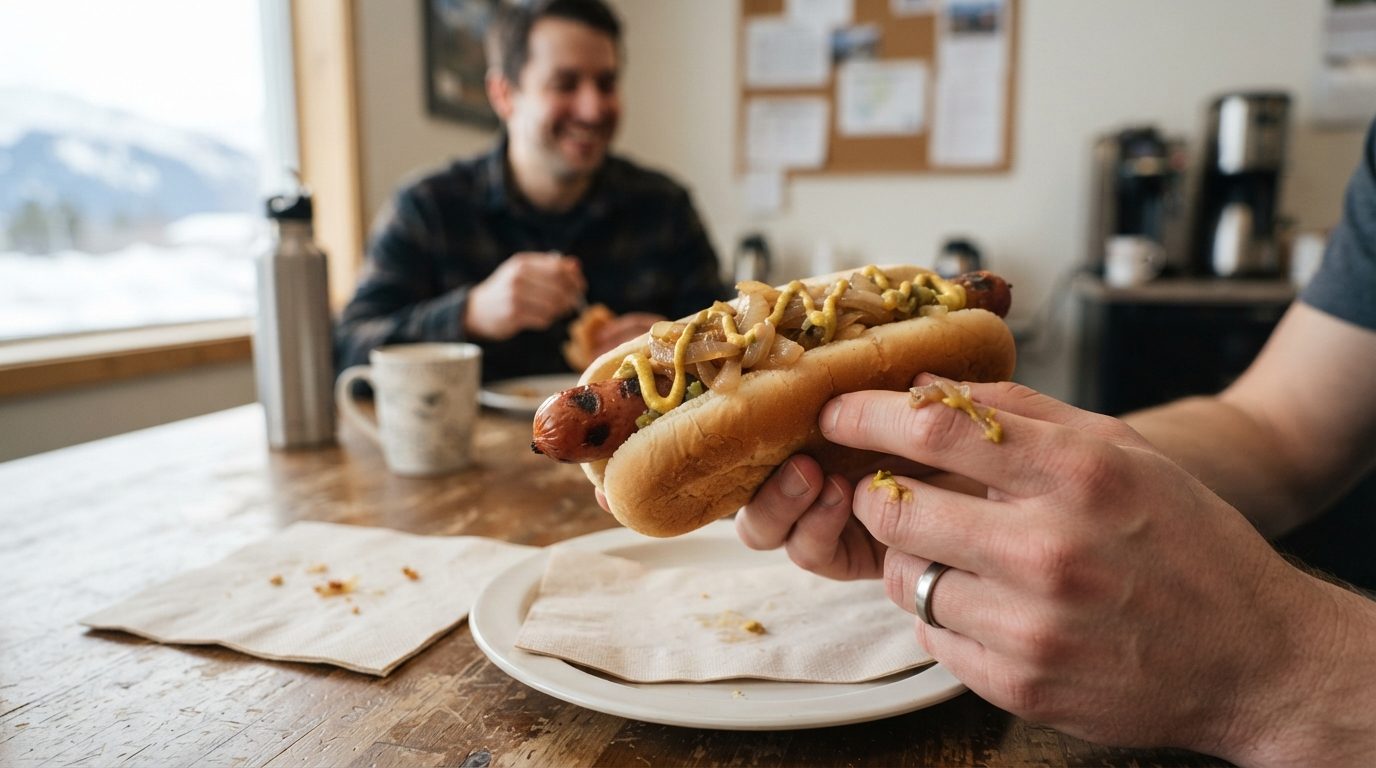
Reindeer dogs are worth investigating as an Alaska food tradition, not merely photographing as a novelty. For hot dog enthusiasts and food culture readers, the honest answer is simple: judge the actual sausage, its preparation and the place serving it before declaring it an Alaska legend.
- A reindeer dog is generally a hot dog or sausage made with reindeer meat, though the full meat blend can vary by seller.
- The name alone does not reveal the recipe, casing, cooking method, toppings or bun.
- A photograph can document what is visible, but it cannot prove flavor, popularity or a vendor's current availability.
- Jason's no ketchup position is an editorial opinion. It is not a rule handed down from a snowy condiment mountain.
Is an Alaska reindeer dog actually a hot dog, or a very persuasive sausage?
It belongs in the hot dog conversation when the story explains its meat blend, casing, serving style and local context instead of treating the name as the whole story. A hot dog is a type of cooked sausage, usually served in a bun, while sausage is the larger family that includes many shapes, meats and preparations.
Under United States federal standards, a frankfurter may also be called a hot dog, wiener or similar name, and it is a cooked sausage product. That technical definition does not settle every menu argument. A reindeer sausage served in a bun can absolutely behave like a hot dog at lunch, even if its recipe and character are doing their own thing.
Before describing a particular Alaska reindeer dog, confirm the ingredient statement or vendor description. The essential questions are wonderfully unglamorous: Is it entirely reindeer meat, or a blend? Is it smoked, grilled, steamed or simmered? Does it have a natural casing? Is the sausage served on a bun, in a bowl, or as part of another dish? Those details are the story. The word “reindeer” is only the trailer.
Jason's opinion: ketchup is not invited. Mustard, onion, pickle, heat and acid can all make a respectable case. Ketchup may make its own choices, far away from Jason's bun.
What people seem to notice first, once the novelty wears off
The most useful investigation examines visible, verifiable features such as the sausage's shape, toppings, bun, cooking method and serving location. It should not turn an unverified caption or an attractive food photo into a fake consensus about what everybody thinks.
A reporting checklist that keeps the story out of the snowbank
- Photograph: Is the food clearly a reindeer dog, rather than an unrelated sausage or generic hot dog?
- Post date: Is the material current enough to support a claim about a menu or operating location?
- Named vendor: Does the post, menu or sign identify who made it?
- Visible toppings: What can actually be seen on the dog?
- Stated ingredients: Does the vendor identify the sausage blend, bun or toppings?
- Exact wording: If a public question or reaction is quoted, can it be quoted accurately and attributed to its source?
Presentation and taste are different beasts. A close photo may establish a browned casing, a split bun, diced onion or a stripe of mustard. It cannot establish smokiness, tenderness, spice level or whether the dog is worth a detour. Taste requires a clearly labeled tasting note from the person who actually ate it.
Alaska on the plate, not Alaska on a postcard
A reindeer dog story should connect the food to a specific Alaska place and food culture, not use the state as a vague backdrop. A street cart, a market counter and a restaurant can serve distinctly different versions, even when the menu uses the same two words.
No individual vendor is named here because a useful recommendation needs current confirmation of the business name, location, menu listing and availability. That is not fussy paperwork. It is the difference between sending someone toward lunch and sending them toward a locked door with excellent scenery.
When a verified vendor is added, the profile should state the town or neighborhood, the service format, the exact menu name, the listed ingredients and the date those details were checked. It should also show that vendor and the actual dog in the accompanying image. A generic mountain shot cannot cook a sausage, no matter how dramatic the clouds get.
Jason's Grub comparison
Chicago dogs, New York pushcart dogs, Sonoran dogs and Alaska reindeer dogs all make more sense when place is treated as an ingredient. The bun, the condiment choices, the cooking setup and the local eating ritual matter alongside the sausage. Editorial opinion: a dog with a strong local point of view is more interesting than a dog wearing a novelty name tag.
Field note: Follow @jasonsgrub on Instagram for place specific hot dog finds, recipe experiments and reports from the bun frontier.
The toppings deserve their own argument
Toppings can reveal whether a reindeer dog is being served as a local specialty, a straightforward sausage or a heavily customized street food. They should be documented from a current menu or a clear image of the specific dog, not guessed from a stock photo or borrowed from another vendor.
Once toppings are verified, the useful conversation is texture and balance. A firm sausage may want a soft bun. Sharp mustard or pickled vegetables can bring acidity. Onion can add crunch. A sweet relish can either calm smoke or start a small argument. Heat can make the whole thing feel awake. These are tasting judgments, not universal laws.
What a proper close photo must show
A close image should show the reindeer dog in its actual bun, with every featured topping visible on a tray, wrapper or plate. If the article names a vendor, the image should identify that vendor through a visible sign, packaging or unmistakable setting when possible. The picture can make readers hungry. It cannot claim that the dog tastes smoky, famous or life changing.
What Jason would refuse to let the photo get wrong
The image must show the actual subject, including a recognizable reindeer dog and any Alaska location or vendor named in the article. If the piece names a brand, vendor, celebrity or landmark, that subject needs to be visibly present or it should not be made the visual focus.
- Do show the actual sausage, bun and listed toppings.
- Do show the vendor's identifiable context when the vendor is part of the claim.
- Do not use a generic hot dog that has no documented connection to Alaska or reindeer meat.
- Do not use a tourist landscape with no food and call it lunch reporting.
- Do not let one beautiful photo pretend to prove popularity, flavor or permanent menu availability.
Suggested future image direction: an Alaska reindeer dog at a verified street food stand, with the vendor and local setting visibly identifiable. Suggested alt text: “Alaska reindeer dog in a bun at a street food stand, with the vendor setting visible.”
The honest verdict on Alaska's reindeer dog
A reindeer dog earns attention when its ingredients, preparation and setting are real and specific, not because the name does all the work. A properly reported one has a legitimate seat at the hot dog table, alongside any place defined style that can explain what is in the bun and why it belongs there.
Jason's editorial opinion: the reindeer dog has enough inherent character to stand beside established hot dog traditions, provided the vendor is specific about the sausage and does not bury it under a condiment landslide. Let the meat, smoke, casing and bun make their case. Then keep the ketchup in the witness protection program.
Follow @jasonsgrub on Instagram for more place specific hot dog finds and field notes.
Frequently asked questions about reindeer dogs
The FAQ answers practical questions with established terminology and flags the points that depend on the individual vendor. Recipes, meat blends, toppings and availability can change, so a current vendor menu remains the final word for any specific dog.
What is a reindeer dog?
A reindeer dog is a hot dog or sausage made with reindeer meat, often served in a bun. The exact recipe can vary by seller, including whether the sausage contains other meats, spices or a particular casing.
Where can you buy a reindeer dog in Alaska?
You can buy one only from a vendor whose current menu and location have been confirmed before publication. Check the business's official menu or current official account before making a trip, because availability can change with season, service hours and supply.
Does a reindeer dog taste like game meat?
That is a personal taste question, not a promise a menu can make. Flavor depends on the meat blend, seasoning, smoke, cooking method and toppings, so a responsible tasting note should identify the exact vendor and preparation behind the opinion.
What goes on an Alaska reindeer dog?
Only the toppings confirmed by the specific vendor should be listed. A clear photo can document what is on one serving, while a current menu can document what the vendor says it offers.
Should you put ketchup on it?
Jason says no, with the confidence of a man who has made a career of defending that position. The final choice belongs to the eater, though a reindeer dog is at least owed one thoughtful bite before the red bottle enters the room.
Sources
 Follow on Instagram
Enjoyed this? There's more from Jason's Grub.
Follow on Instagram →