Part of the Hot Dog Products hub
National Hot Dog Day Turned Every Bun Into a Debate Again
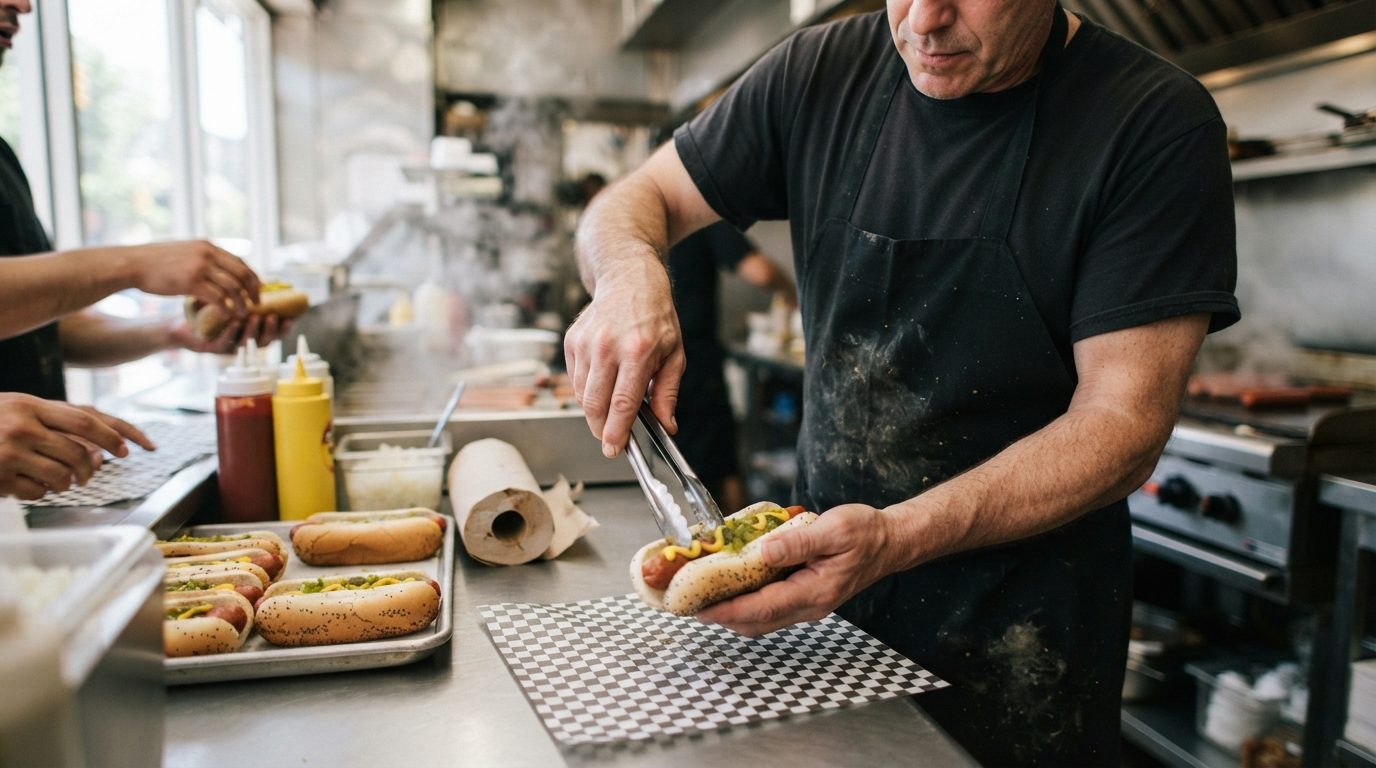
National Hot Dog Day is worth paying attention to when it exposes a real choice about how a hot dog is made, dressed, or eaten. For hot dog enthusiasts and food culture readers, the interesting part is not a calendar friendly bun photo. It is the argument underneath it.
- Holiday attention is cheap. A useful hot dog story has a real food detail behind it.
- Good arguments involve preparation, bun style, toppings, or a tradition tied to an actual place.
- Jason does not put ketchup on a hot dog, but he does not need to declare every bottle a national emergency.
- Promotional chatter belongs in the background unless it helps someone find, understand, or order a better dog.
Noise gets loud. A story has to earn its mustard.
National Hot Dog Day turns ordinary choices about toppings, buns, grilling, and local style into public arguments because food holidays invite everybody to perform an opinion. That can be entertaining. It can also produce a mountain of content whose only accomplishment is reminding us that hot dogs exist. Remarkable work, calendar.
Jason’s job here is filter, not foghorn. His no ketchup stance gives him a clear point of view, but the better question is always: does this argument reveal something about the food? A disagreement over a snappy casing, a steamed bun, or a topping combination can change the bite. A generic celebration graphic cannot.
Which hot dog arguments are actually worth eating over?
A worthwhile hot dog debate is tied to a real preparation, ingredient choice, tradition, or place, and it changes what lands in your hand at lunch.
Cooking method changes the dog before toppings even enter the room.
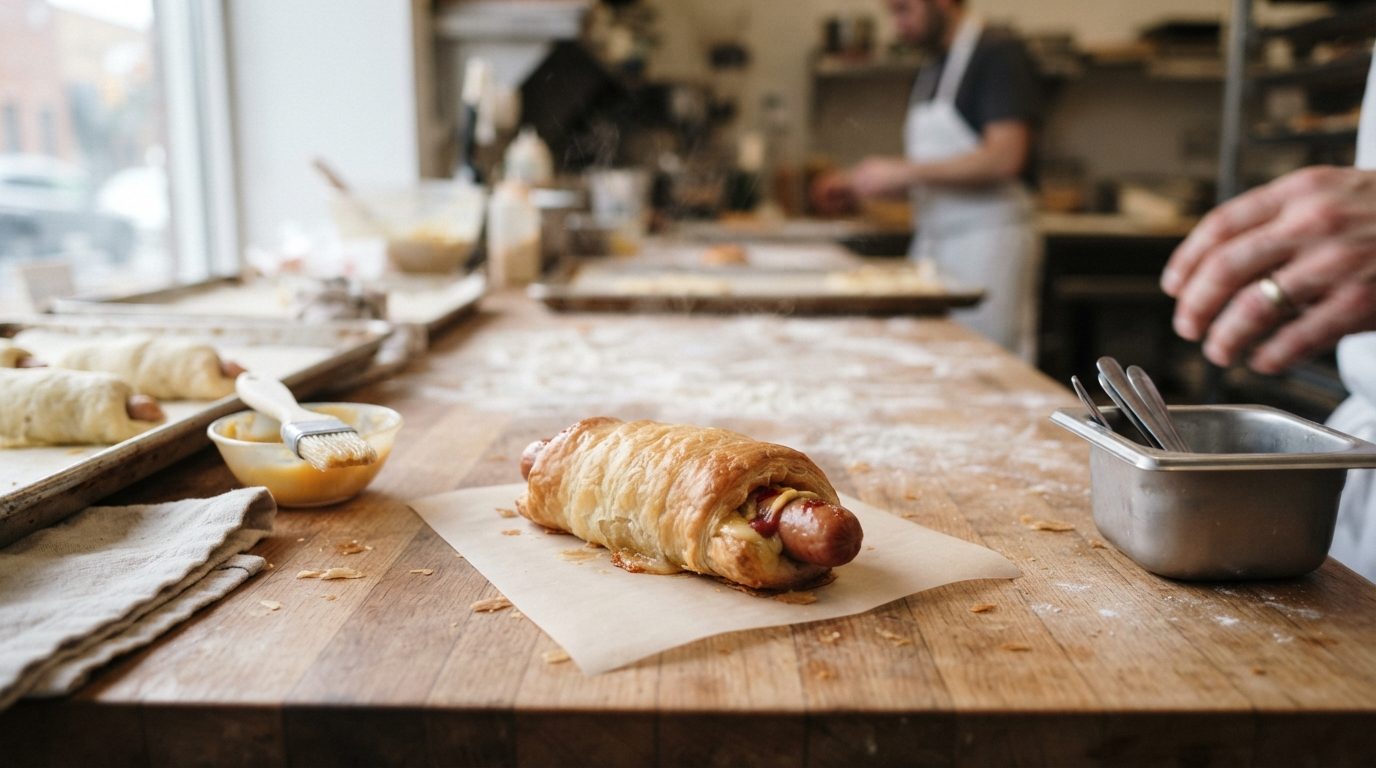
Steamed and grilled franks do not offer the same experience. Grilling can bring char and a firmer exterior. Steaming leans soft, juicy, and direct. Neither choice needs a courtroom drama, but both give a reader something useful to seek out and compare.
Casing is not a tiny technicality.
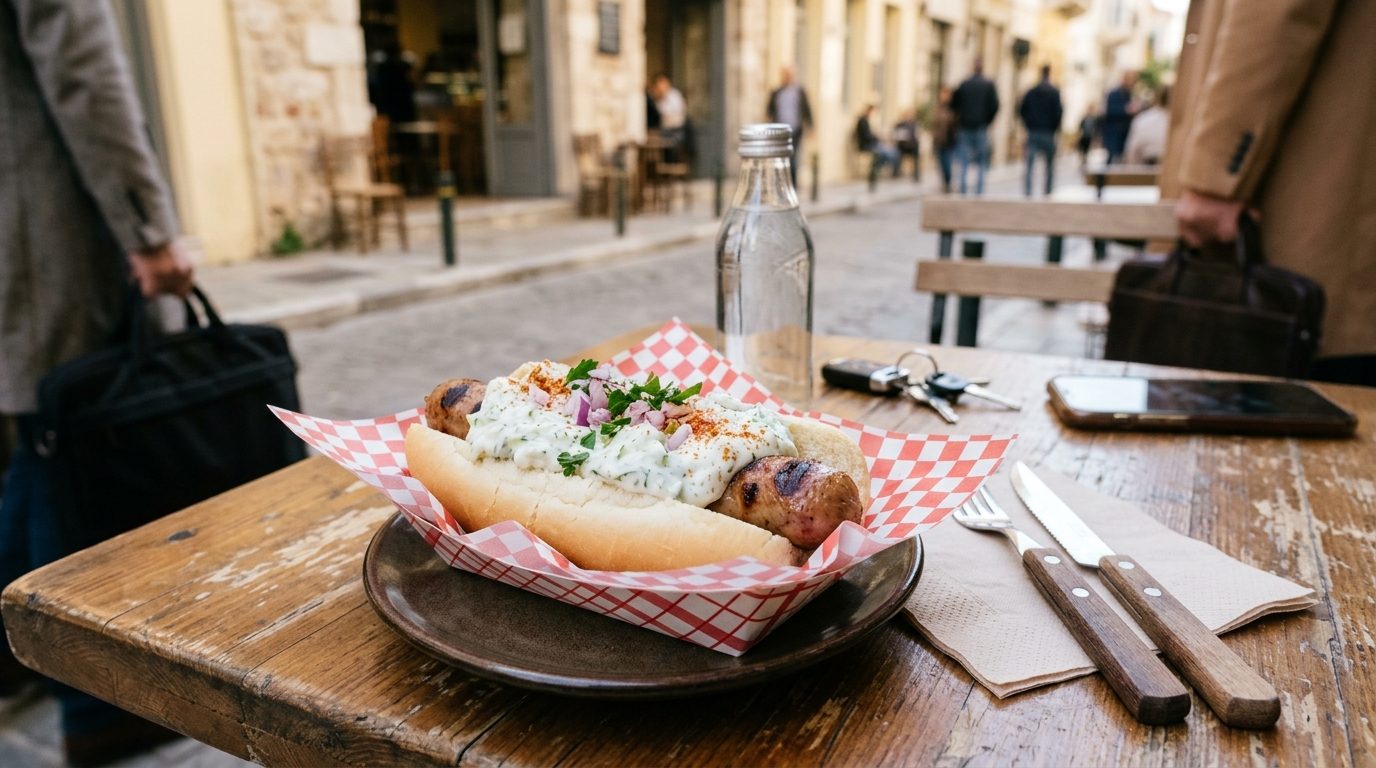
A natural casing frank can give a noticeable snap when bitten. A skinless frank has a different texture. That is a real eating distinction, not a manufactured crisis with a condiment bottle held hostage.
Buns are part of the architecture.
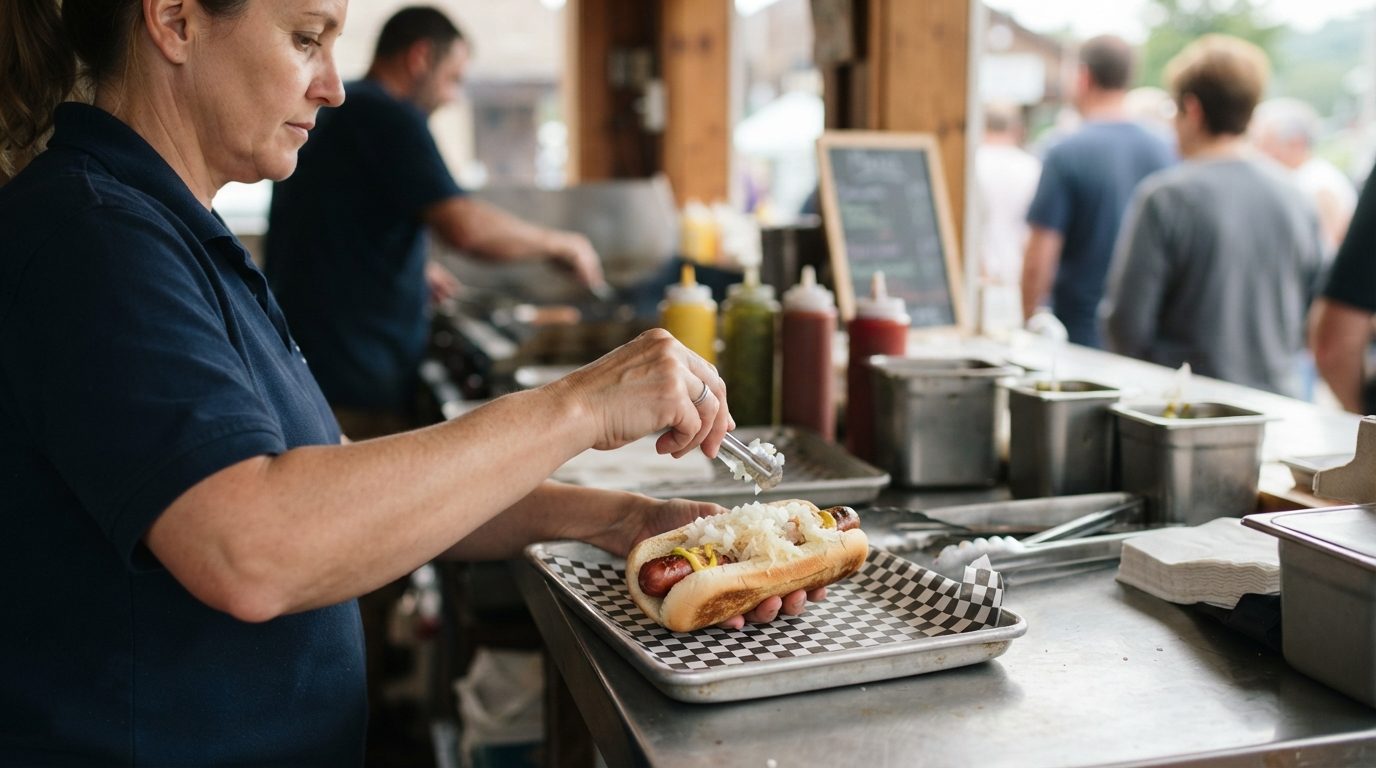
A toasted bun adds crunch and structure. A soft bun folds around the frank more gently. Some local styles rely on a particular bun shape or texture because it carries the toppings in a particular way. If the bread changes the balance, it deserves discussion.
Toppings become interesting when they belong somewhere.
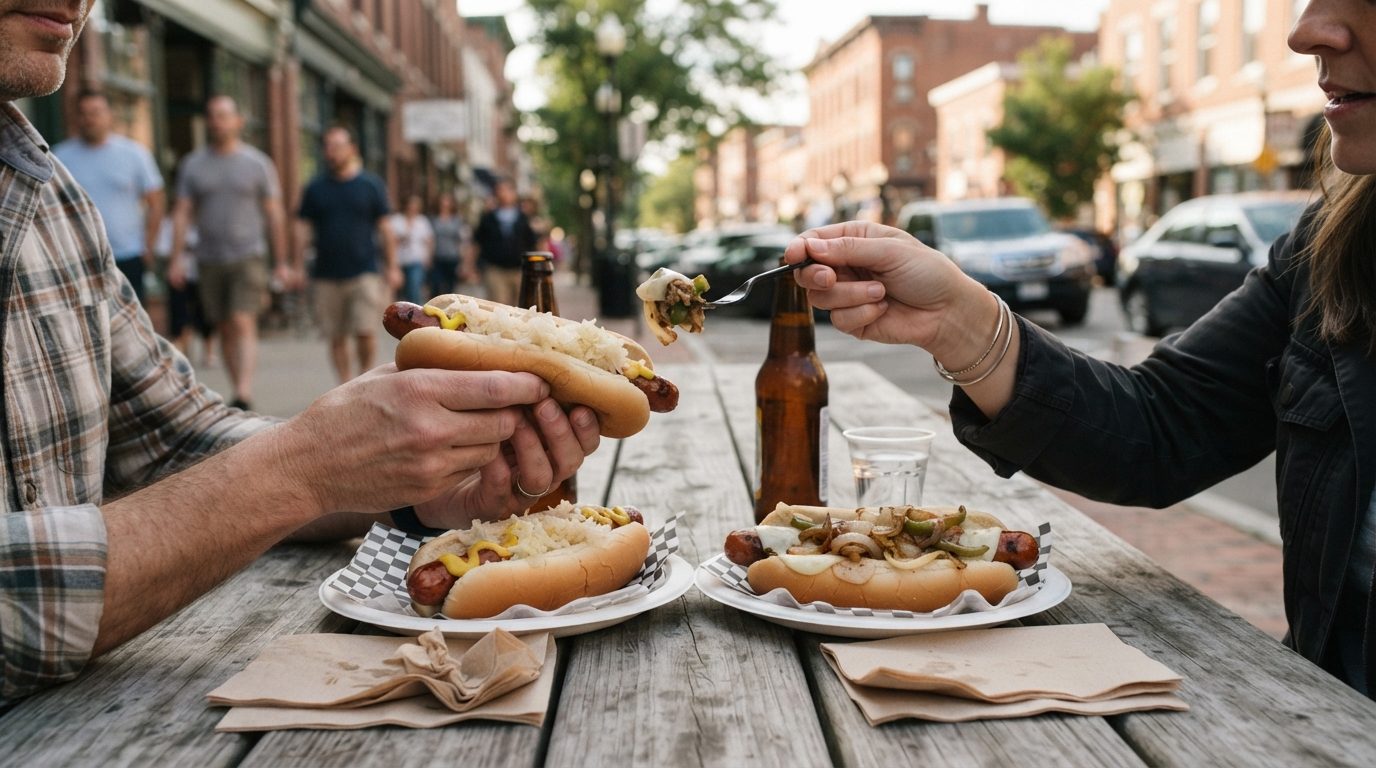
Mustard, onions, relish, chili, cheese, and other combinations are worth talking about when they explain a recognizable style or a specific order. The point is not to crown one pile of toppings king of America. The point is to understand what that pile is trying to do.
The no ketchup rule survives another holiday.
Jason does not put ketchup on his hot dogs. That is an editorial stance, a dinner preference, and a perfectly good hill on which to wave a mustard stained flag. It is not a claim that every eater, every city, or every tradition agrees.
The useful part of a firm opinion is that it creates contrast. Mustard can bring tang. Onions can bring bite. Relish can add sweetness and texture. Chili and cheese can turn a frank into a fork optional situation. Ketchup, in Jason’s order, does not get an invitation. Readers remain free to make their own choices, even the suspiciously red ones.
Promotional bun theater gets a smaller serving.
Promotional chatter is holiday content that repeats the occasion without offering a specific place, product, preparation detail, cultural insight, or recommendation.
A simple test keeps the fluff from swallowing lunch: does this item teach you something? Does it point to a real hot dog worth seeking out? Does it show how a particular maker or restaurant approaches the food? If the answer is no, it may be pleasant background noise. It is not the story.
This also keeps praise honest. A post is not automatically popular, viral, meaningful, or debated simply because it exists. Those are claims that need evidence. A photo of a bun is just a photo of a bun until it gives the reader a reason to care.
What can one food holiday reveal about American hot dog culture?
It can reveal that a very simple food carries stubborn loyalties about buns, toppings, cooking, and the right moment to eat it.
Hot dogs invite strong opinions because the format is familiar but the details are wildly variable. One person wants a charred frank at a backyard grill. Another wants a soft bun and a particular topping order. Someone else is chasing a city specific version they remember from childhood. The ingredients may look humble, but the attachments are not.
That is why a good food crawl is more revealing than a stack of generic holiday announcements. Seek the concrete detail: what is cooked, how it is served, what goes on top, and why that combination has a home there. A city page or a food crawl becomes useful when it helps readers follow those details all the way to the counter.
Use this test before joining the next condiment brawl.
A sharp hot dog argument is specific, visible, connected to something real, and useful to someone deciding what to order.
- Is the claim specific? “This grilled frank has a crisp exterior” is more useful than “hot dogs rule.”
- Is the food visible? A reader should be able to see the bun, frank, and toppings that are supposedly under discussion.
- Is there a real place or product involved? Concrete context beats mystery meat commentary.
- Does the argument change the order? If it helps a reader choose a preparation or topping, it has some teeth.
- Is it taste or history? Personal taste needs honesty. Historical and cultural claims need reliable sourcing.
Jason’s verdict: celebrate the hot dog, investigate the traditions with actual flavor, and let ketchup lose quietly. Not every topping dispute deserves a siren. The ones that do should at least come with a good bun.
Want more hot dog finds, places, recipes, and strong condiment opinions?
Follow @jasonsgrub on Instagram.
FAQ: The questions still sitting next to the mustard.
What is National Hot Dog Day?
National Hot Dog Day is a food holiday centered on hot dogs. For the current observance information and background, check the National Hot Dog and Sausage Council’s official materials before making plans around a particular date.
Why do hot dog toppings cause so much disagreement?
Toppings connect a simple meal to personal taste, local habits, family memories, and ideas about what a familiar dish should be. That makes the disagreements more emotional than the ingredient list might suggest.
Does Jason put ketchup on hot dogs?
No. Jason’s stated position is zero ketchup. That is his preference, not a universal command issued from the great condiment cabinet in the sky.
What makes a hot dog debate worth paying attention to?
It should explain a real preparation, place, product, tradition, or eating choice. Empty holiday promotion does not clear that bar.
Should readers avoid ketchup entirely?
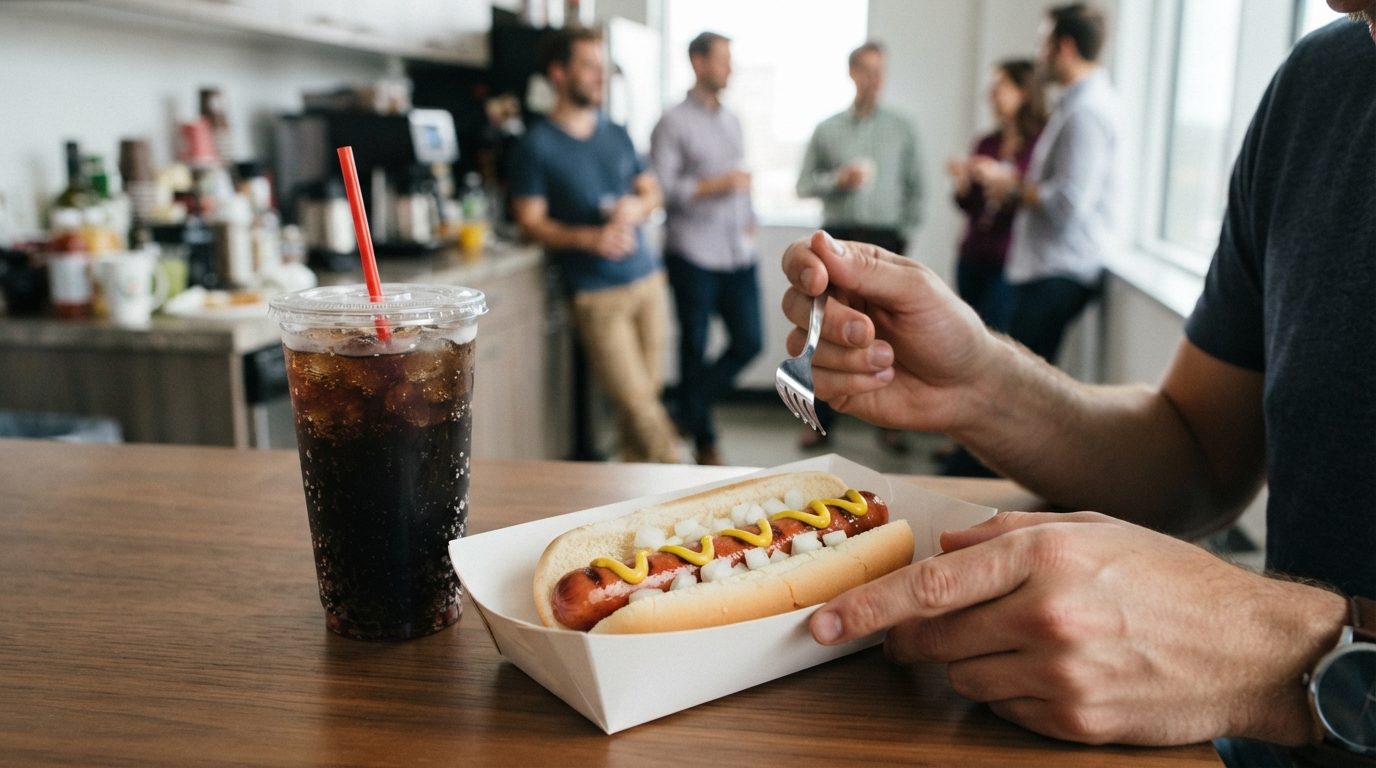
No. Readers can order what they enjoy. Jason will simply be over here with mustard, onions, and a deeply unsurprised expression.
Sources
These outside references are useful for checking holiday information and food handling guidance.
Enjoyed this? There's more from Jason's Grub.
Follow on Instagram →