Baked, Not Sad: A Sheet Pan Hot Dog Dinner With Crisp Potatoes
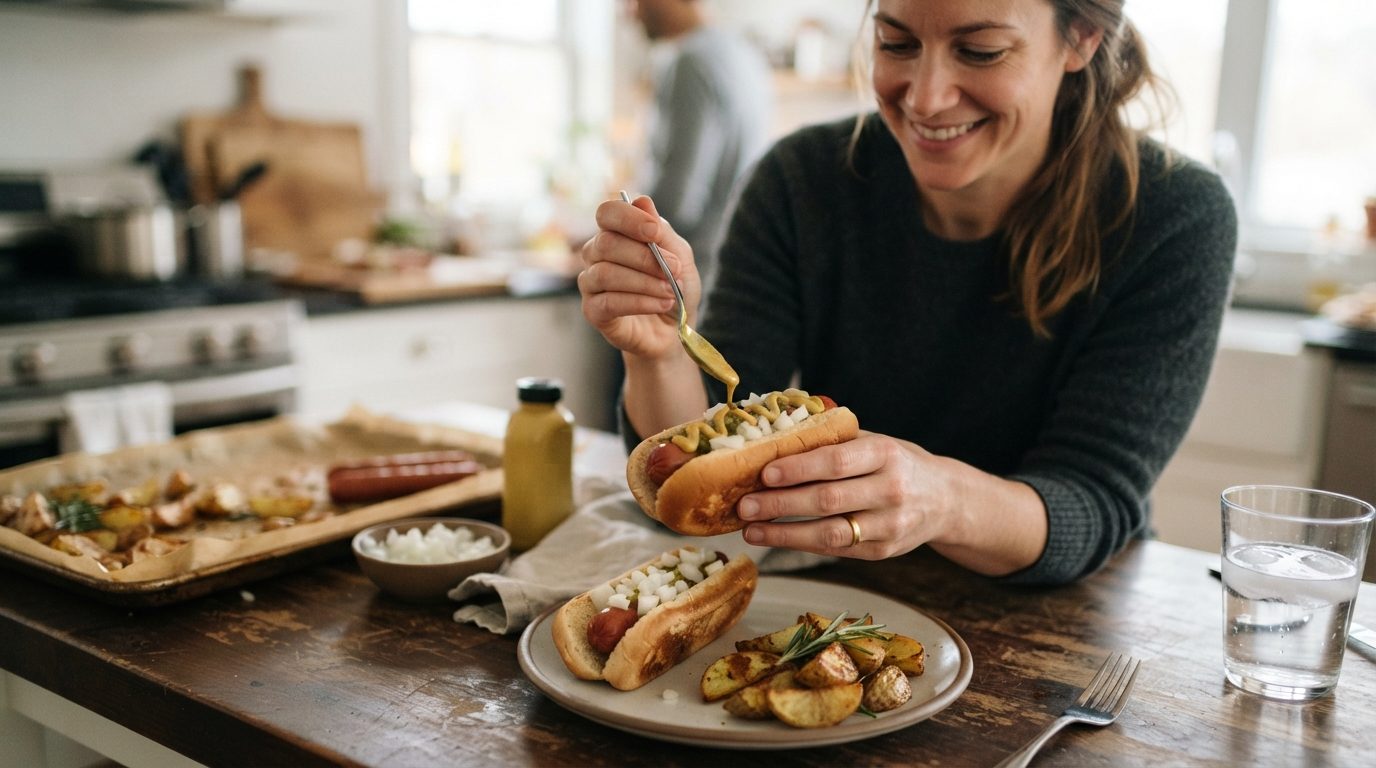
Baking the potatoes first gives them time to brown, while adding hot dogs later helps keep them juicy instead of shriveled. This dinner is for hot dog people who want a proper meal from one pan, with crisp potato edges and a topping loud enough to wake up the whole plate.
- Cut potatoes into similarly sized pieces so they cook at the same pace.
- Give the potatoes the pan first, with enough room for their surfaces to brown.
- Add the hot dogs once the potatoes have begun to brown and are nearly tender.
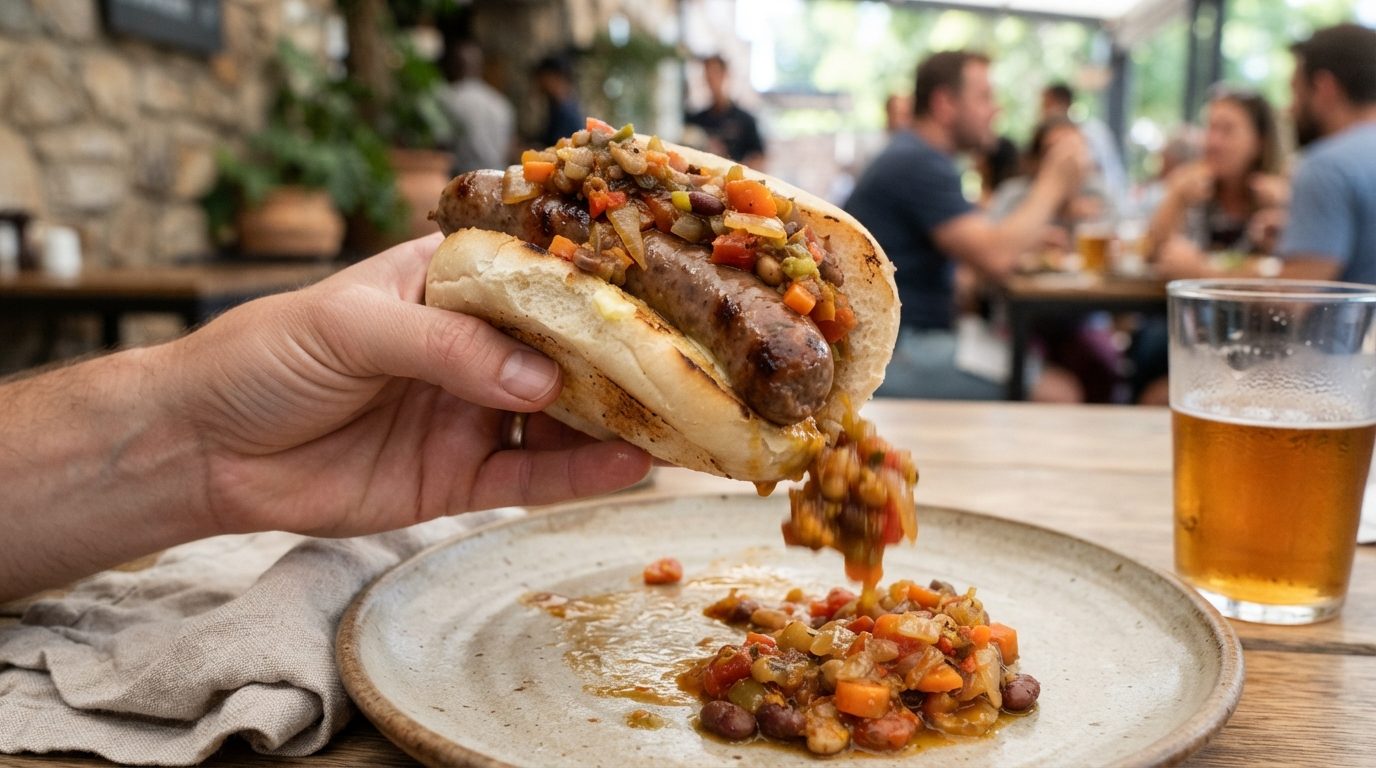
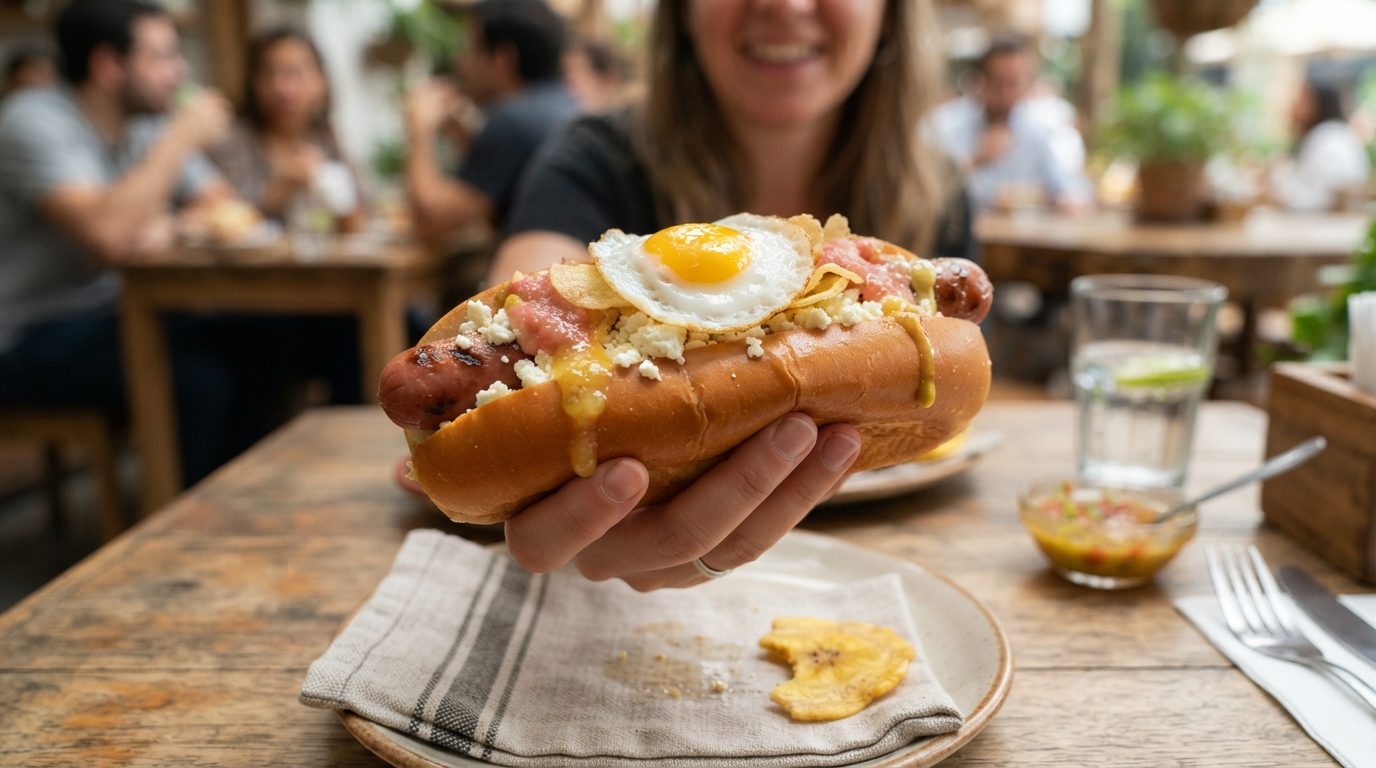
- Choose a sharp topping, such as mustard and relish, pickled onions, or vinegar dressed cabbage.
- Serve in toasted buns with potatoes alongside, or pile the whole glorious situation onto the pan.
Why do potatoes get the opening act?
Potatoes need longer to soften and brown than fully cooked hot dogs need to heat through, so they should start baking first. Give the potato pieces a head start, then add the hot dogs once the potatoes have browned at the edges and yield toward tenderness when pierced.
This is not culinary snobbery. It is basic scheduling. A hot dog that spends the entire potato bake in the oven can lose its plumpness and emerge looking like it has seen things.
Keep the potatoes in a mostly even layer with a little breathing room. When ingredients are crowded together, moisture has nowhere to go, and crisp edges become a sad rumor. Once the potatoes look bronzed and are nearly tender in the center, it is hot dog time.
What belongs on this sheet pan besides a healthy disregard for beige food?
The core cast is simple: hot dogs, potatoes, cooking oil, salt, pepper, buns, and one tangy topping. Pick the hot dogs you actually enjoy, whether that means an all beef frank, a pork blend, a turkey dog, or another fully cooked favorite, then let the topping provide contrast rather than more heaviness.
The potato situation
Use potatoes that can be cut into bite sized pieces with plenty of exposed surface area. Dry them well after washing. Oil, salt, and pepper are the foundation, while garlic, paprika, black pepper, or fresh herbs can join the party without turning the potatoes into a spice cabinet collapse.
The dog and bun situation
Use sturdy buns that can handle a warm frank and a wet, sharp topping. A quick toast near the end gives them structure and a little crunch. Follow the package directions if they call for a preparation method that differs from this general approach.
Choose one loud topping
- Yellow mustard and relish: Classic snap, sweet tang, no overthinking required.
- Pickled onions and chopped herbs: Bright, crunchy, and pleasantly rude to blandness.
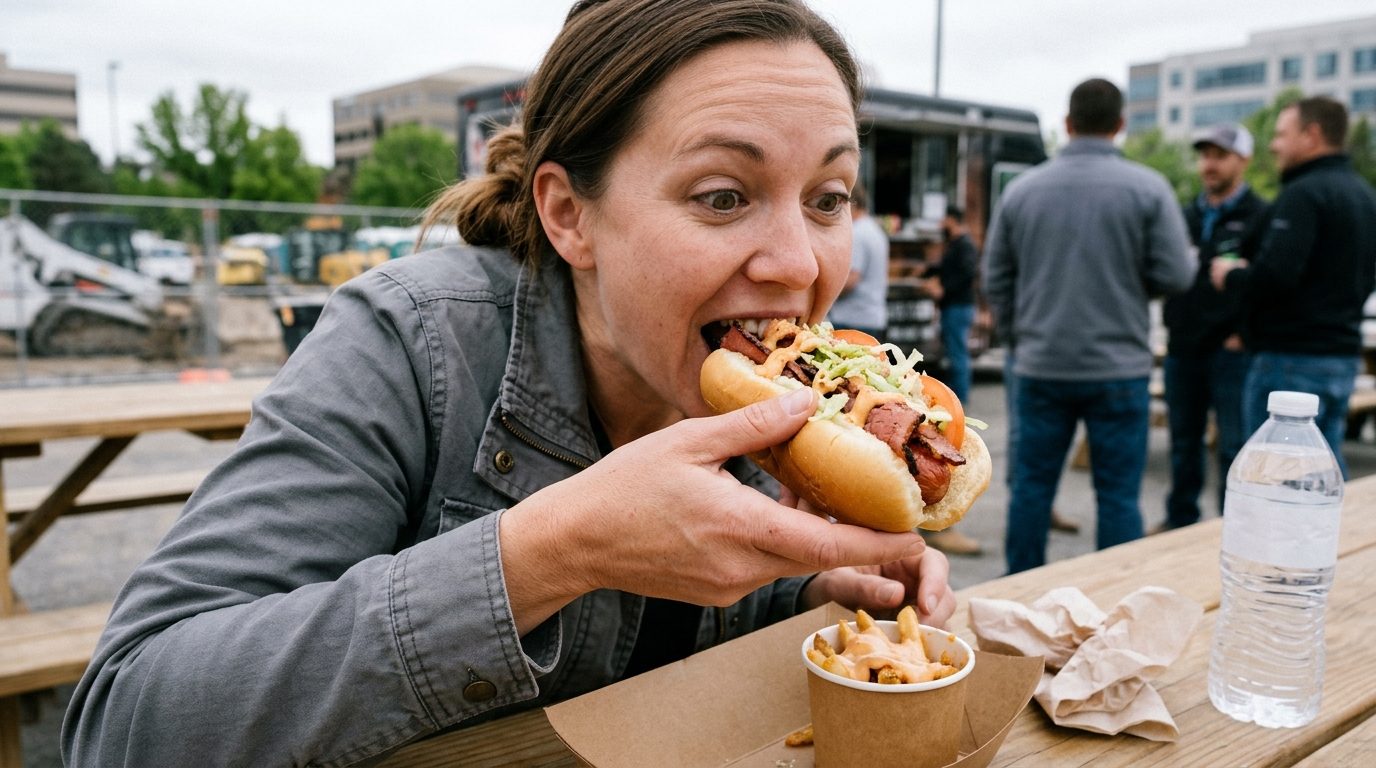
- Vinegar dressed cabbage: A crisp slaw style finish that stands up to both sausage and potatoes.
How do you bake this without making dinner tragic?
Start dry, oiled, seasoned potato pieces on a hot sheet pan or lined baking tray, then add hot dogs only after the potatoes have a real browning head start. The goal is crisp potato surfaces, tender centers, and hot dogs that are heated through with a lightly blistered exterior.
- Heat the oven according to your preferred potato roasting method and the hot dog package directions.
- Spread the seasoned potatoes across the pan in a single, roomy layer. Surface contact is your friend here.
- Bake until the potato edges begin to brown and the centers are nearly tender.
- Add the hot dogs to open space on the pan. Turn them during baking if one side is browning much faster than the other.
- Toast the buns near the end, watching closely. Buns can travel from golden to charcoal flavored with remarkable confidence.
- Remove the pan when the potatoes are tender and crisp at the edges, and the hot dogs are heated as directed on their package.
If the hot dog package directions conflict with the general sequence above, let the package win. Different products can have different preparation needs.
Which topping rescues all that richness?
The best finishing topping brings acidity, crunch, heat, or freshness, because hot dogs and crisp potatoes already have richness well covered. This is the moment for contrast, not a second heavy layer that turns supper into a nap with a side of bread.
Mustard and pickle route
Spread yellow mustard inside the toasted bun, add the hot dog, then finish with relish or chopped pickles. The mustard keeps the bite sharp while the pickles bring crunch and acidity.
Pickled onion and herb route
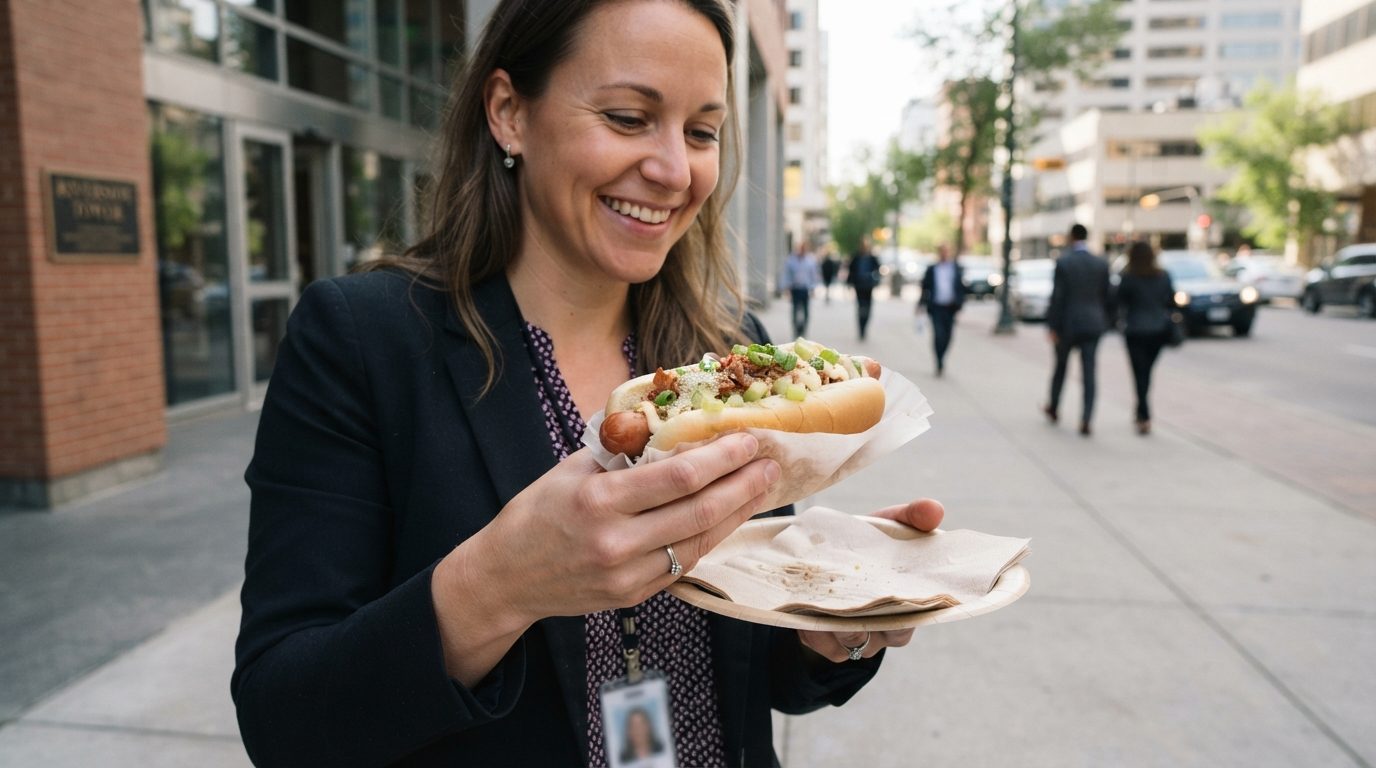
Top each dog with pickled onions and chopped fresh herbs. This combination brings color and a clean acidic bite that plays especially well with smoky or peppery potatoes.
Vinegar dressed cabbage route
Toss shredded cabbage with vinegar, salt, pepper, and a little oil until it tastes bright. Spoon it over the dog or serve it alongside the potatoes. It has the sturdy crunch of slaw without asking mayonnaise to run the entire meeting.
Jason's Grub keeps ketchup off the main build. Your bun is your business, of course, but mustard, pickles, and vinegar have the sharper instincts for this particular dinner.
Where does the sheet pan earn its paycheck?
Assembly earns the sheet pan its keep when every bite gets a toasted bun, a hot dog, a bright topping, and a forkful of crisp potatoes nearby. Put each hot dog into a bun first, then add your chosen topping generously enough that its acidity reaches more than the first bite.
Serve the potatoes alongside for the cleanest operation. If you want potato pieces on top, use a sturdy bun and accept that this is now a two handed dinner. Finish with another swipe of mustard, chopped herbs, or a few extra pickled vegetables. Do not pile on every condiment in the refrigerator merely because it made eye contact.
This is practical dinner with hot dog stand energy. It is not a beige casserole pretending it has a personality.
How do you fix the usual sheet pan crimes?
Pale potatoes, wrinkled hot dogs, and dried buns are all fixable, usually by giving each item the timing and space it deserves.
The potatoes are pale
Excess moisture, an overcrowded pan, or poor surface contact can hold back browning. Dry the potatoes thoroughly, spread them out, and avoid stacking pieces on one another.
The hot dogs are wrinkled
Add them later in the bake and avoid leaving them in longer than needed to heat through. A hot dog does not need an extended oven residency.
The potatoes are dark outside but firm inside
Cut the pieces smaller and more evenly next time. Check the pan earlier so you can judge whether the centers are becoming tender before the exteriors get too dark.
The buns are dry
Toast them only near the end. They need a brief blast of heat, not a long meditation on the meaning of crumbs.
The whole plate tastes heavy
Add more mustard, pickles, vinegar dressed cabbage, or another bright topping. Acid is the emergency exit from a too rich bite.
How do you make this a Jason's Grub dinner?
Make it opinionated: keep the potatoes crisp, pick one sharp topping, and refuse to let the meal become a bland pile of brown things. For more hot dog destinations, recipes, product finds, and hot dog culture coverage, follow @jasonsgrub on Instagram.
Pair this pan with a future city food crawl or destination profile when the urge to leave your kitchen returns. Until then, the oven is doing respectable work.
FAQ: Questions that arrive before the potatoes do
These are the practical questions that tend to appear when hot dogs and potatoes are sharing oven space.
Can the hot dogs bake on the pan from the beginning?
They can, but adding them later gives the potatoes a better chance to brown and helps prevent the hot dogs from drying or wrinkling.
Should the potatoes be peeled?
Peeling is optional. Leave the skin on for more texture, or peel the potatoes for a softer, more uniform bite.
Can I use frozen potatoes?
Yes. Follow the package directions, since frozen potatoes can release moisture and may cook differently from fresh potatoes. Keep the pan uncrowded for better browning.
What topping works best with crisp potatoes?
A sharp topping built around mustard, pickles, vinegar, or fresh herbs keeps the meal from tasting too rich.
How do I know the hot dogs are safe to serve?
Heat them according to the package directions. For food safety information about hot dogs and ready to eat meat products, consult the USDA resources below.
Sources
These USDA resources cover safe handling and preparation guidance for hot dogs and other foods.
Enjoyed this? There's more from Jason's Grub.
Follow on Instagram →